Canberra Writers Festival 2025: 6, Poems of love and rage

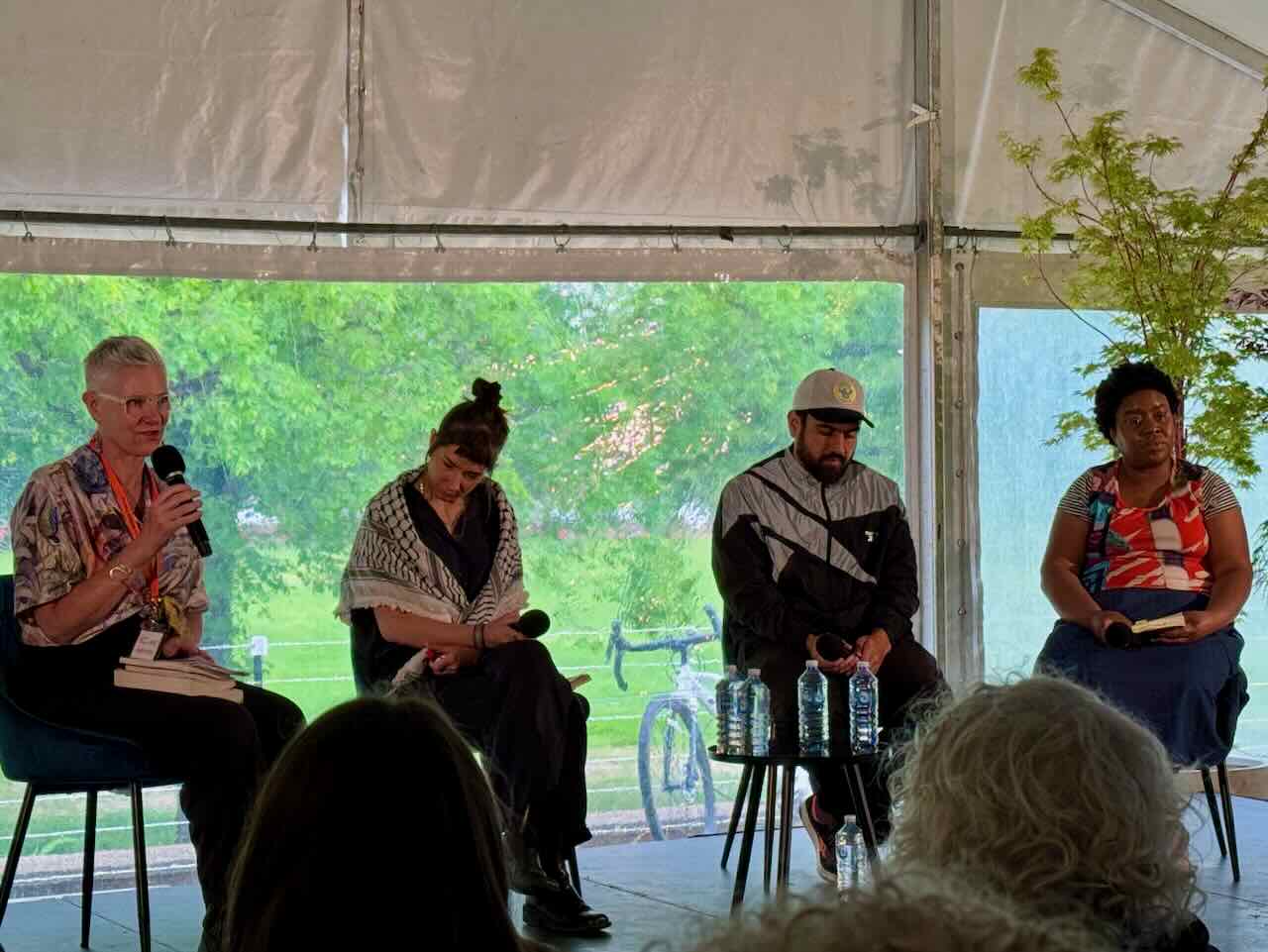
Evelyn Araluen, Maxine Beneba Clarke and Omar Musa with Jacqui Malins

The program described the session as follows:

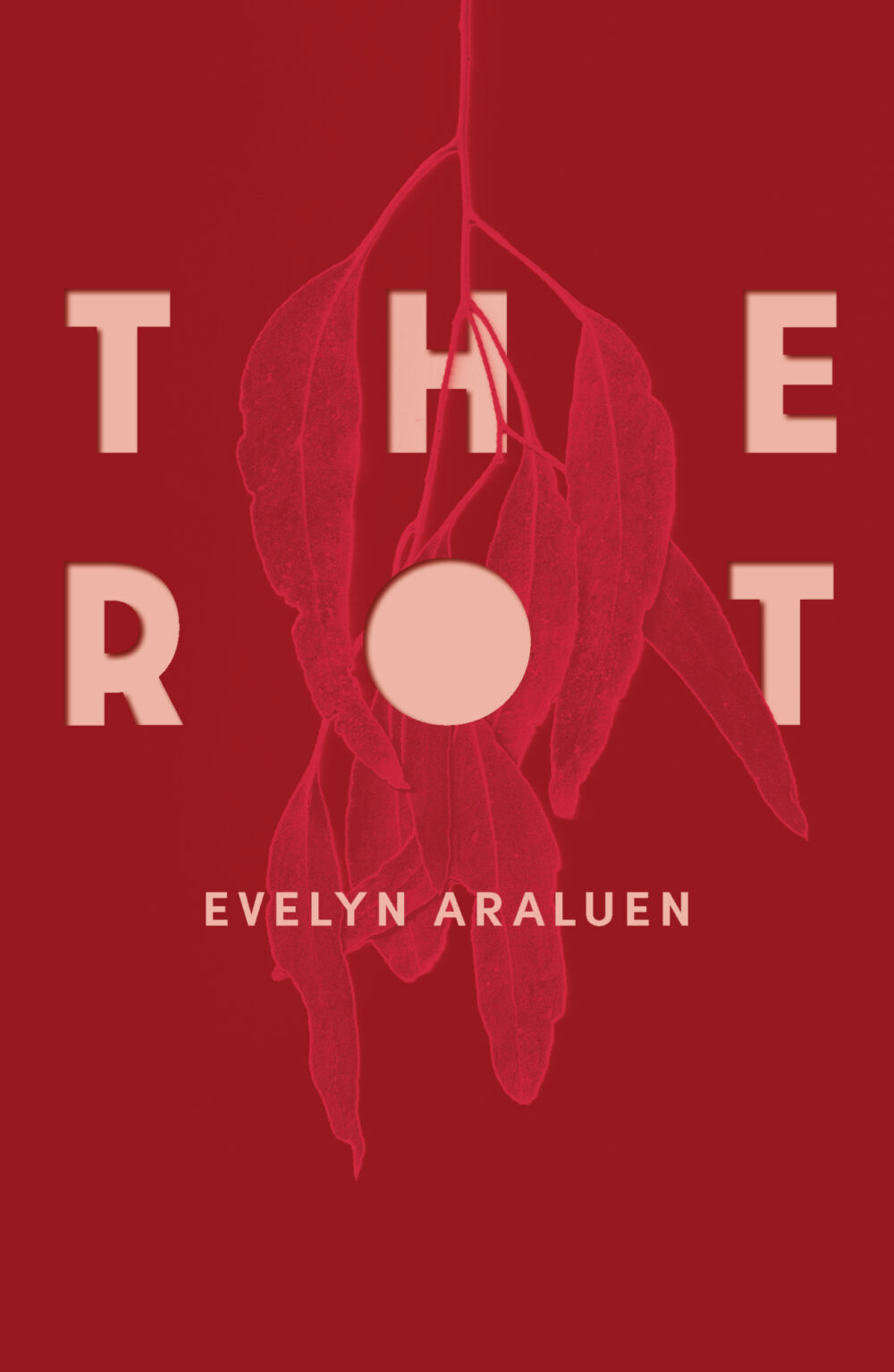
An electrifying highlight of this year’s program, our poetry panel features some of Australia’s most acclaimed and innovative poets putting love and rage on the page. Overland Poetry Prize winner Evelyn Araluen (The Rot) joins Maxine Beneba Clarke with Beautiful Changelings, and hometown spoken word artist Omar Musa. This session delves into the power of love, and the ongoing fight against oppression in its many forms. Don’t miss this powerful event. Moderated by Canberra author, artist and performance poet, Jacqui Malins.

For this event, we hardy festival attendees had to leave the warmth of the National Library building (or whatever building we’d previously been in), and walk through a little rain to a marquis on the Patrick White Lawns. It was worth the effort. Actually, it wasn’t that cold and wet, and the venue, with chairs on the grass and some lovely potted trees, made for a nice change.

As this session included poetry reading and performance, your scribe had a bit of a break from intense scribbling, but the notes I took have still ballooned. After acknowledging country, Jacqui asked each of the poets to choose a poem to read (or perform) that explores rage.

On rage

Evelyn explained that her collection is all love and rage, that it was written in the context of love of communities, network and solidarity, but informed by rage, by the futility of witnessing genocide from our phones while the government continues to provide material for weapons. She was thinking specifically about global capitalism. She read her poem “Girl work” from The rot. As I’m sure you all know, there’s something special about hearing a poem read by the poet. They know what nuances and rhythms they intended for their words. This is a deeply satiric and ironic poem about girls and work, girls and girly aspirations, set against “the machine” that will swallow them up. It’s confronting (“girly, you glisten in your soft tailoring … your coolgirl cleangirl chic”) and confrontational (“o girly, lift your head…”). The words are cleverly angry.

Jacqui commented on its exploration of how to live in the face of the onslaught while also trying to live day-to-day. She likes the thread in the collection of what to do with our hands, the twitching to act.

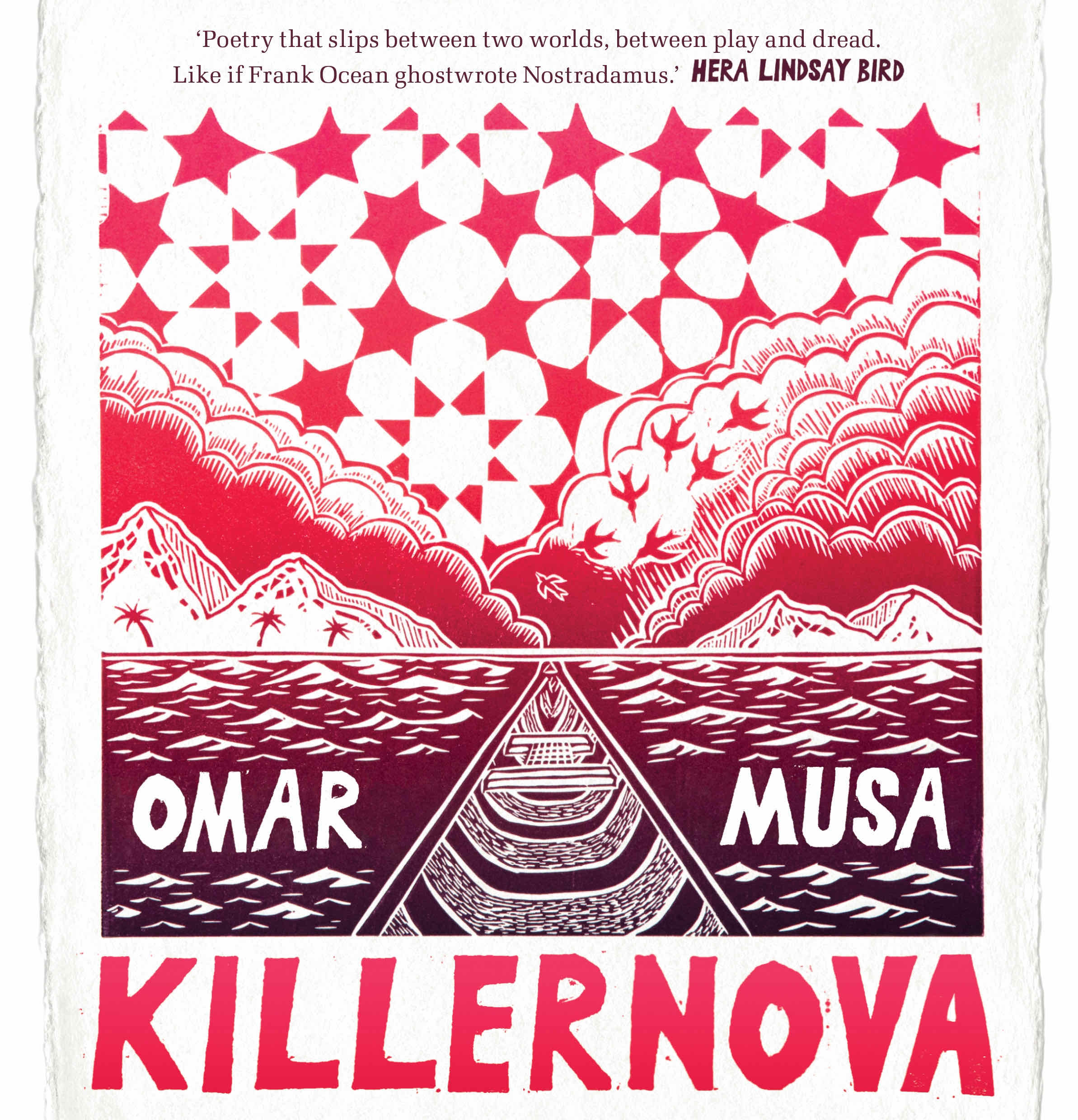
Omar, poet, novelist, musician and artist from Queanbeyan, “Palace of the Palarang, Venice of the Eden Monaro”, has published four books of poetry (the last being Killernova, see my post on its launch). A performance poet, he performed rather than read two poems, “To burning” (which you can see on YouTube performed with music by his wife Mariel Roberts) and an older one I’ve heard before, “UnAustralia” (on YouTube too). He too is enraged by politics which cares more about money than people (particularly brown, Muslim, and “other”) and the environment.

As Jacqui said, his poems contained an “extensive catalogue of rage” that hasn’t changed over the years since they were written.

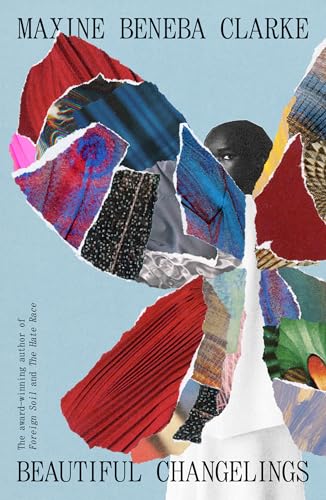
Maxine, reading from her just published book, Beautiful changelings, took us to somewhat different places. Like Araluen’s book, her focus is women. Araluen’s is described as a “liturgy for girlhood in the dying days of late-stage capitalism” while Clarke’s is about “ageing, womanhood, motherhood” with “wrecking-ball revisitings of the myths, mantras and fairy tales fed to girls” (from back covers and promotional materials). The first poem she read, “A good wait”, was inspired by her role as chauffeur for teenage children. It is more humorous than overtly angry, but has a layer of anger all the same for parents, particularly women, who are expected to put their needs – including their work/careers – second to those of their children.

She then read a section from a longer poem, “Major complications”, which explores rifts in contemporary feminism. It was inspired by feminist witch t-shirts and the Salem witch-hunts, and draws on the story of Tituba, “the witch that would not burn”. I loved the line – I think I got it right – “Tituba made sure they got the complication they asked for”.

On writing poetry inspired by rage

Omar grew up angry. Ppoetry was is pressure relief valve. He talked about his Malaysian inheritance and a way of expressing yourself that alchemically transforms rage to a different state, that enables you to legitimate anger. (I missed the details because I didn’t catch the Malaysian word.) It’s reductive to delegitimise rage.

For Evelyn, rage was explicit to her project. Referring to the success of Dropbear (my review), she said what an enormous privilege it is for a poet to be read. It’s unusual. Her book is in schools, and she hears from teenage girls. This made her think about her responsibility to her audience. She feared she could be immobilising girls into despair. She was inspired by Revolutionary letters, a poetry collection by Beat poet Diane di Prima, who turned practical things into revolutionary action.

Maxine (whose memoir, The hate racemy review – is also in schools) related to this audience idea. She talked about being a woman and getting older, and the rage that brings. There’s poetry and reaching for poetry. Bigots, she said, aren’t going to pick up poetry. Further, more than with prose, people come to poetry with openness. An interesting point. How, she said, does she make sure that her rage is poetry.

Jacqui wondered about rage turning into polemic, and love into sentimentality. Are these risks ?

Omar said not necessarily. “UnAustralia” is a polemic poem. He hopes poems can work on different levels, such as rallying the base and educating others. Poets use their tools to smash open the door, using different weapons for different battles. Jacqui agreed that preaching to the converted has a role.

Evelyn commented that “people like shitting on sincerity”, that the elite will say they “hate slam poetry” but don’t go into those rooms and see the work. This is “cringe culture”, at work. We have a bad relationship with sincerity. (This idea spoke to me.) Performance offers a strong introduction to poetry, performance poets put their whole heart into their work. What is it that brings people through the door? How much affect is effective? Research suggests that the most significant trigger for engaging people is to activate emotional sensibilities.

Maxine added that in 2025 earnestness is not cool, but then people will perform emotions on Instagram!

On love

Jacqui asked the poets to end with a poem written through the lens of love. Maxine read her tribute to being an aging woman, her love letter to growing older, “I want to grow old”. It mentioned several older women models, like the late Toni Morrison, and included lines like “speaking slow and exact and only sense” and “I want to grow old spectacularly”. Omar read two poems, one to his cellist wife, and one to a childhood friend (noting that friendship can be our greatest love affair.) Evelyn, who at first feared she didn’t have one, read the last poem in her collection, “I will love”.

This event was in a small venue, but had a decent-sized audience. Poetry always moves me a little out of my comfort zone, but I’m glad I took the risk!

Postscript: It was notable that the three poets were people of colour, albeit from very different backgrounds. Interestingly, of the 7 sessions session I attended, five comprised only white (I believe) participants, and two comprised all people of colour. I did, however, only attend 7 of a large number of sessions, so mine may not be a good sample. Nonetheless, shaking it all up a bit – people’s backgrounds, genres, forms, and so on – could energise discussions.

Canberra Writers Festival, 2025
Poems of love and rage
Sunday 26 October 2025, 12-1pm

Canberra Writers Festival 2025: 5, Our worlds, our way

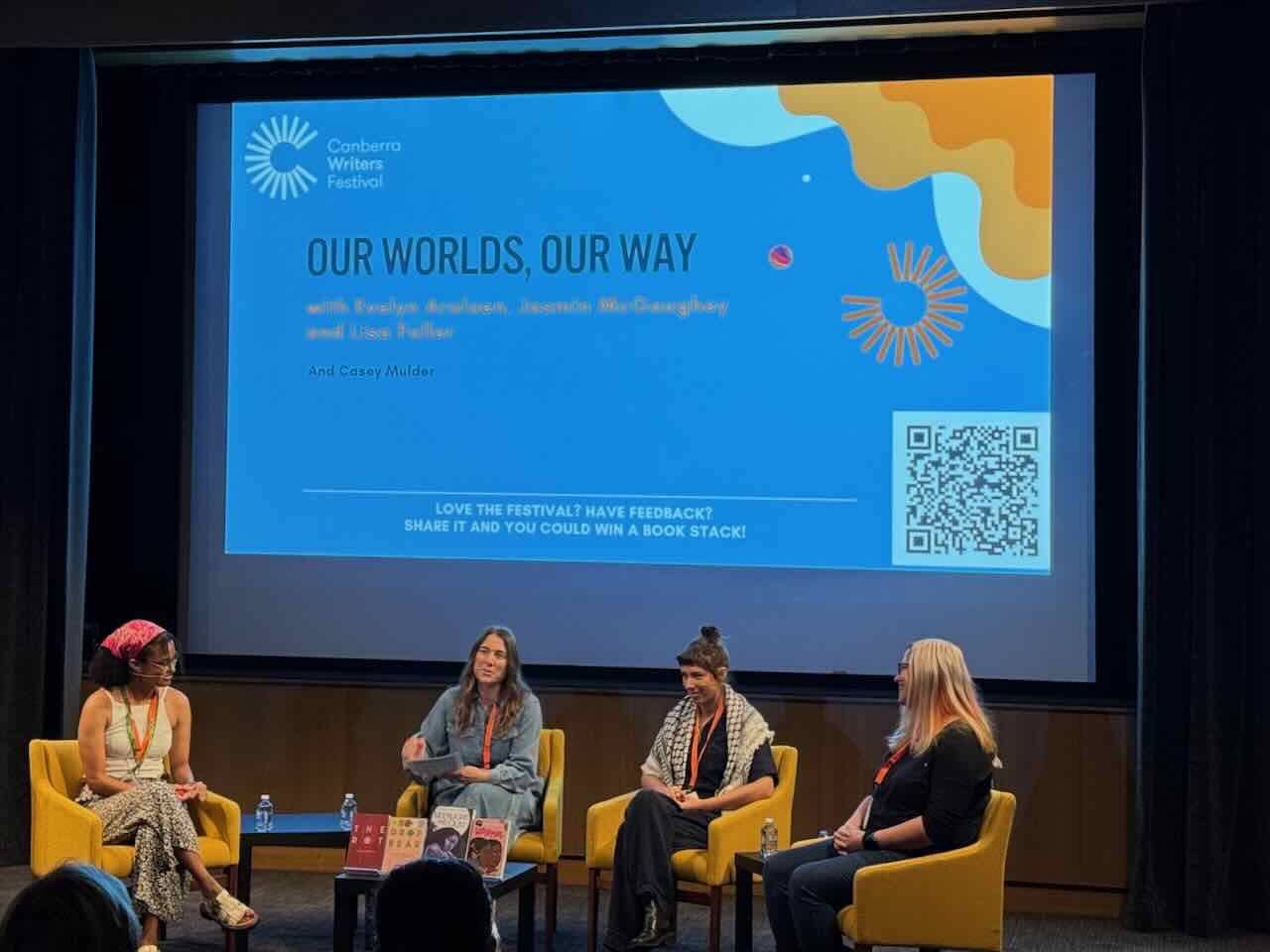
Evelyn Araluen, Jasmin McGaughey and Lisa Fuller with Casey Mulder

The program described the session as follows:

Join this exciting First Nations panel including Evelyn Araluen, Jasmin McCaughey and Lisa Fuller to explore how culture and Country influence each author’s writing. Spanning poetry, YA and children’s novels, how do Indigenous worldviews emerge? As First Nations writing and publishing thrives in Australia, this event offers a unique chance to look across genres and celebrate creativity and connection. Moderated by Ballardong Noongar educator and writer Casey Mulder, co-curator of Rivers Flow.

Casey Mulder asked Lisa Fuller to acknowledge country, which of course she did, and then introduced herself as from Noongar country but having been a high school English teacher in the East Kimberley, before obtaining a mentorship at Magabala Books. She is now a freelancer editor.

She then introduced the three panel members:

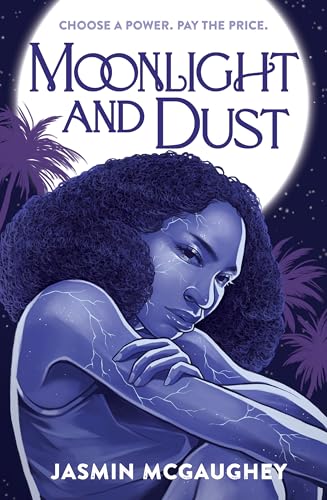
  • Jasmine McGaughey, Torres Strait Islander and African American writer who has written the YA fantasy novel Moonlight and dust and Ash Barty’s Little Ash series.
  • Evelyn Araluen, Goorie and Koori poet, editor and researcher, born and raised on Dharug Country and in the Western Sydney Black community; writer of two poetry collections, the Stella winning, Dropbear (my review) and The rot.
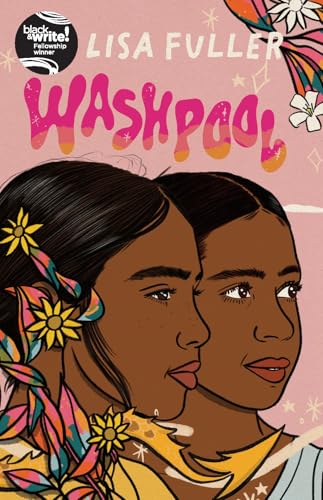
  • Lisa Fuller, Eidsvold Murri writer, now living on Ngunnawal and Ngambri lands; writer of children’s literature, short stories, poems and memoir, including YA fantasy novel Ghost bird, picture book Big big love (with Samantha Campbell, and winner in the 2025 ACT Literary Awards, my post), and the middle grade fantasy Washpool.

Then the conversation began … I’ll add first though, that I kept thinking this session was “our words, our way”. As it turned out, it was all about Worlds and Words.

On their experience of storytelling when growing up and how country speaks to their work

Lisa spoke of her origins in a small place inland of Bundaberg, brought up by a single mother and with no internet or mobile phone. She grew up with books. Washpool is fantasy, so she did not need go through the permissions and protocols which First Nations writers do when writing about country. However, she’s been told the book has a strong sense of country, which the panel agreed is because the First Nations worldview of country as alive seeps through it. The book was written for her “niblings”, and was intended as fun.

Evelyn started by commenting that her niece loved the pink cover of Washpool. She grew up within the diaspora Aboriginal communities between the Hawkesbury Valley and Blacktown in Western Sydney. Her great grandfather is from Bandjalung (near Clarence River). Her mother’s side is from Dirty Swamp near Molong in Wiradjri country but due to aggressive pastoralism (colonisation) they don’t know their clan name. Fragments of culture are coming back through oral traditions. The country she grew up on is being destroyed by industry, and she has lost family through mesothelioma. She, like so many, didn’t grow up on country, because of the colonial project. Many in her diaspora community do not know where they come from. People on missions learnt songs from each other, and are transmitting songs and stories that belong to other nations. It is a constant process of healing and repair, as oral traditions are shared and passed on. The biggest “place” in The rot is the Internet, but she couldn’t stop thinking about Bandjalung.

Jasmine grew up in Cairns, but with a father from Alabama, and a mother from the central islands in the Torres Strait (low lying sandy islands, which are dying because of rising water). She currently lives in Darwin, but misses Queensland, which she described as a “casual version of Australia”. That got a chuckle from the audience. (I loved hearing her story because of my recent trip to Cape York and the Torres Strait, and because I am Queensland-born.) She has a “love-hate” relationship with Cairns, but believes it doesn’t get enough “page-time”. There were no stories for her to read about TI when she was growing up. Storytelling is big in her family. Her mother would try to find books with people like her. Then she made the point of the session for me, which is that the stories told in fantasy and sci fi, with their plots of colonisation, of dispossession, are their lives. Lisa Fuller’s Ghost bird felt like her life, because it was about teen adventures, but they were still connected to family. (How lovely is that.)

She then referenced the State Library of Queensland’s black&write! program, which she described as best practice for First Nations publishing. Casey agreed, saying it is great having First Nations people involved in editing and publishing, rather than always having to educate white editors and publishers.

On their writing and story-telling practices

Jasmine spoke, somewhat laughingly, of being a millennial so was “a Twilight girl”. She mentioned Lisa Fuller’s article, “Why culturally aware reviews matter” (see here), which articulated the tension she was dealing with. She wrote a short story, “The breaker”, which became a novella, and then her novel. It is nothing like Twilight!

Lisa spoke to how culture is embedded in work. She was struggling with writing Ghost bird. She was in Canberra, surrounded by other cultures, and couldn’t write, so she had to go home. She wrote for the teenagers who want to see themselves in books. She talked about books in libraries, about romances set on stations in which First Nations people were either invisible, or idiotic station workers or the noble savage. Her niece asked for her book to be in the school library, but Lisa has never been asked to speak at the school. First Nations kids need to have books that show good things about their lives and cultures. Fantasy speaks to otherness and the post apocalyptic world they live everyday! (There’s that point again.)

Evelyn spoke to where “our world, our way” fits into her practice. Drop bear was all about colonialism, about things like May Gibbs’ little white bush babies getting about on First Nations lands. The Rot is about how young girls are configured socially, politically, economically; about the fetishisation of their deaths; about Palestine, and the constant documenting of the brutalisation of bodies on our phones; about the compulsion in western media to tell some stories and not others, to fixate on pain and violence. She talked about the glorifying of youth, the devaluing of women as they age, and that she is loving growing older as a woman. She wanted to understand the damage she felt, and the resentment she had (through reading things like Wuthering Heights at the age of 11.) She sees her role as doing analysis. We weren’t imagined as readers, she said. She wants to make First Nations people visible, and to make visible the impact of the erasure they’ve experienced.

The discussion turned to white writers asking about writing “Aboriginal characters” because they see a problem and want to fix it! Evelyn tells such writers is to read all the work they can by First Nations writers, and then they won’t ask the question. They’ll see that the best they can to is to lift and support First Nations writers. Casey added that white Australians need to go on the journey ourselves, and not ask them to do it for us.

There was some sharing of pet hates, such as being asked, “if we write Aboriginal characters, is it an Aboriginal story”, or describing a fantasy written by a First Nations person as allegory. First Nations editors and publishers don’t make these mistakes.

Q & A

I’d like to write high fantasy from different cultures, can I (or should I not) include First Nations cultures? The response was that the question to ask is, why do you want to do it? Without educating yourself, you will inadvertently write stereotypes. You would need sensitively readers. You need to think about what harm you might do, because you want to lift up, not put down. The panel admitted that even coming from a culture, there are things they don’t know. There are permission and protocol processes because First Nations cultures are community-based.

Is there an international community of First Nations writers supporting each other as there seems to be within Australia? The panel mentioned various initiatives and experiences, but noted that Australian is remote. There is Red Room Poetry’s anthology Woven, comprising poems from First Nations poets from around the world; and the Trans-Indigenous literary studies movement that started around 2012. There are communities and networks, and members of the panel had their own connections, such as Jasmine finding peers in the Oceanic region. Despite what we think about the US, they are ahead in what they are doing, publishing-wise.

This was valuable session, but hard to write up. I hope I have been respectful and accurate.

Canberra Writers Festival, 2025
Our worlds, our way
Sunday 26 October 2025, 10-11am

Stella Prize 2025 Winner announced

The 2025 Stella Prize winner was announced tonight at a special event at the Sydney Writers’ Festival, and the winner is …

Michelle de Kretser’s Theory & practice

How happy am I that a book I reviewed only last week won the award! It is a provocative and thoroughly engrossing book in all the ways. I don’t feel I did full justice to it, but I did love thinking about what she was doing. It’s playfully mind-bending, but is also very serious about the art of the novel, what it can be, and what it can say. I can’t of course say whether I would have chosen it, as I’ve only read two of the shortlisted books. However, it is a wonderful book, and, when it comes to acceptance speeches, de Kretser is up there with the best. (You can see it at the Stella site) She was compassionate and eloquent. She made a beautiful but pointed statement commemorating two groups of women: the Stella founders who rejected business as usual in the literary world, and the women and girls of Gaza who are suffering under the business-as-usual actions of Israel’s genocide in Gaza.

She also said:

“I’m still afraid. But I’ve just accepted a prize that is not about obedience. It’s not about feel-good narratives, it’s not about marketing, it’s not even about creativity – Stella is about changing the world.”

Michelle de Kretser on a screen

It was pure class.

The announcement was made at a special event at the Sydney Writers’ Festival. It involved: an introduction by Fiona Sweet, Stella’s CEO; a discussion between three of the judges (Astrid Edwards, Leah-Jing McIntosh and Rick Morton) about the shortlisted books; the awarding of the prize; Michelle de Kretser’s recorded acceptance speech (see here); and a conversation between her (in Sussex) and Rick Morton.

Just to remind you, the short list was:

  • Jumaana Abdu, Translations (fiction, kimbofo’s review)
  • Melanie Cheng, The burrow (fiction, my review)
  • Santilla Chingaipe, Black convicts: How slavery shaped Australia (non-fiction/history)
  • Michelle de Kretser, Theory & practice (fiction, my review)
  • Amy McQuire, Black witness: The power of Indigenous media (non-fiction/essays)
  • Samah Sabawi, Cactus pear for my beloved: A family story from Gaza (memoir/non-fiction)

And the judges were Gudanji/Wakaja woman, educator and author Debra Dank; teacher, interviewer/podcaster, and critic Astrid Edwards; writer and photographer Leah-Jing McIntosh; Sudanese–Australian media presenter and writer, Yassmin Abdel-Magied; and journalist and author with a special focus on social policy, Rick Morton. Astrid Edwards was the chair of the panel.

I have now read nine of the 13 winners: Carrie Tiffany’s Mateship with birds (2013, my review), Clare Wright’s The forgotten rebels of Eureka (2014, my review), Emily Bitto’s The strays (2015, my review), Charlotte Wood’s The natural way of things (2016, my review), Heather Rose’s The museum of modern love (2017, my review), Alexis Wright’s Tracker (2018), Vicki Laveau-Harvie’s The erratics (2019, my review), Jess Hill’s See what you made me do (2020, my review), Evie Wyld’s Bass Rock (2021), Evelyn Araluen’s Dropbear (2022, my review), Sarah Holland-Batt’s The jaguar (2023), Alexis Wright’s Praiseworthy (2024), and Michelle de Kretser’s Theory & practice (2025, my review).

Thoughts anyone?

Canberra Writers Festival 2023: 3, A Jewel of a Book

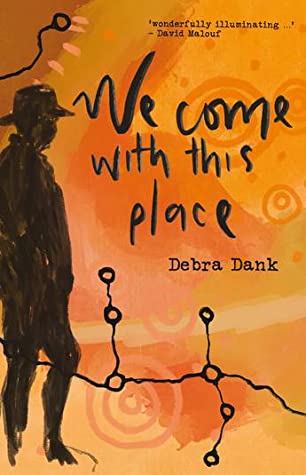
Which book you are presumably wondering? The session’s subtitle will give you a hint: Debra Dank in Conversation with Evelyn Araluen. The book, then, is Debra Dank’s We come with this place, which won a record four prizes in this year’s NSW Premier’s Literary Awards (as I described in my post).

The session description commenced with:

We come with this place is deeply personal, a profound tribute to family and the Gudanji Country to which Debra Dank belongs, but it is much more than that. Here is Australia as it has been for countless generations, land and people in effortless balance, and Australia as it became, but also Australia as it could and should be…

It described Dank as “a Gudanji/Wakaja woman” and Araluen as “born and raised on Dharug country [and] a descendant of the Bundjalung Nation”. If you read my second CWF post from yesterday, you’ll see that I have already “met” Debra Dank and Evelyn Araluen. That whetted my appetite for this more focused one-on-one session.

The conversation

Oh my, what a session this was in terms of complex ideas that challenge western world views being presented in a respectful but unapologetic way. After all, why should they be apologetic.

Araluen started by introducing Dank from the formal bio, and ending with the fact that her book had won “incredibly significant accolades”. The session’s title, she explained, had come from Tara June Winch’s description of it as “a jewel of a book”.

The session discussed several issues, but a recurring one concerned the book’s narrative style and how it reflects “Indigenous narrative practices” as Dank framed it. I was keenly interested in this because I have been aware of First Nations Australian storytelling (oral and written) as being different but identifying the difference has not been so easy!

Dank said in response to Araluen’s opening question that she hadn’t set out to write a book, so she was still developing her relationship with it “as a book”. She wrote it for her kids, and saw it as essentially a conglomeration of stories and events. Araluen picked up on this and talked about how the book comprises an interweaving of language, memory, time, and place. Critics, she said, have been trying to find a way to describe Indigenous storytelling by using words like “interweaving”. Dank saw this sort of interweaving as integral to “Indigenous narrative practices”, to Indigenous storytelling.

Araluen commented on how well Dank conveys the “embodied physicality of Indigenous experience”. This captured some of what I felt I’d gleaned from the book, though I didn’t quite have the words for it. Araluen read an excerpt from early in the book in which Dank shares a childhood memory

The sparks rose in the air and danced there – in celebration of a whole lot of things, I imagined. The deep hot red glow in the little hearts with their flaring skirts of blackened edges held my eyes. The embers twirled above our heads, in a dance on a sigh of wind barely there, and as I gazed upwards into the darkening sky, the just-appearing stars spotlighted larger ashy flakes. The bright burning cinders, exuberant and light, then faded to tiny pieces of black falling char.

Araluen loved the way Dank was able to go back into memory and narrativise that little girl.

Dank talked about how she always had access to books, but that her “childhood aesthetic” was always about country. She would do all her week’s correspondence school work on Monday morning and then “be gone with Dad”.

Araluen described the book as a “precious gift” that intricately captures experience. She commented on Dank’s interrogation of history. There is “no gratuitous, voyeuristic depiction” of what her father went through, for example, but we are conscious of the impact of history on him. She wanted to know how Dank navigated this.

It was at this point that the other main thread of the session appeared – the lack of representation of Aboriginal people, of the contribution they have made over the last 200 years (let alone the previous tens of thousands of years). It really gets up her nostrils! In historical photos, non-Aboriginal people are always identified, but never the Aboriginal workers. “We are not represented, we are not seen to exist, to be valid”, she said.

We then returned to narrative practice. The book comes, she said, from the less significant part of her PhD, so she didn’t feel bound by the conventions of literature. It wrote itself, just evolved.

The discussion then turned to language, multi-lingualism, and Dank’s research into semiotics and narrative structure, and the limitations that she observes.

Dank said that the issue of limitations motivated her. She is constantly vigilant about how language works in education, how Aboriginal students can “seem” incapable, and experience deficit in their education. She told us about discovering Umberto Eco who talked about the ways communities make sense of their surroundings. This is the basis of semiotics. Aboriginal people have their own languages, and these work differently on a semiotic level. The problem is that Aboriginal communication has been framed by, viewed through the prism of, western theories, but “we’ve been doing narrative longer than anyone else in the world” and it works because “we are still here”.

Araluen then talked about Dank’s style and structure, describing it as “eco-lyrical”, as having an environmental, seasonal underpinning. How did Dank find her writing language? Dank replied that she had always been a reader, and named her diverse influences – Funk & Wagnalls’ books, the Bible, Slim Dusty, Emily Dickinson’s poetry, Greek stoics (which fitted with the Scottish Methodist part of her heritage), and Toni Morrison. Araluen interrupted here with her description of the “bone-deep legacy of Beloved“, how it conveys the “physicality of memory”. Dank described Beloved as an unimaginable gift of a book, and that she got it. (Beloved is nowhere near my experience but I felt got it too. If ever a book could convey the injustice of slavery and racism at the deepest, most visceral level, it’s Beloved.)

Dank the said that Australian colonial authors, like Xavier Herbert, were also influences, in that they conveyed for her the “invisibilisation of a  people”. She got no sense of reality in what she was seeing. (This made sense to me. People talk about the importance of seeing themselves represented in culture – the arts, media, etc – which of course I understand, but Dank’s clarity about the implication of not seeing yourself, her sense that it’s not real to her experience, drove it home perfectly.)

Araluen talked about ecology, and how non-Aboriginal writers, going back to Lawson and Paterson, for example, have “f***ed up” representation of the land with their colonial and Gothic perspectives. Dank mentioned some “nice and convenient research” from the University of the Sunshine Coast which proves that Aboriginal stories document significant events on the land.

The conversation continued on how First Nations people understand country, on there being a “deep formal, absolute law around connection” to country, on understanding the earth and “our nonhuman kin”. Dank said that “country is not ever something I have the right to just wander casually across”. She talked about how we are “stuffing up ecosystems and habitats”, about mammal extinctions, and about fracking. Westerners do not understand how aquifers are connected, but the songlines do, she said. More Australians need to wake up to the urgency of the climate crisis. There was more, but I think you get the gist regarding the intense concern about what Araluen called “environmental violence”.

The formal part of the session ended with Dank reading from the beautiful “The business of feet” story in her book, which tells of her young son’s deep engagement with their country, and his awareness of the long history of that connection.

Q & A

  • On what sort of writer she sees herself having now published the book: she now feels like a writer; that is, the book is causing her identity to shift. She is becoming aware of the practice and process of writing, and wants to protect her non-genre writing practice. We come with this place is not a memoir. Dank added that she should thank the early colonial writers, because they made her sit up and say, “hang on, that’s not the truth”.
  • On what advice she would give to a Non-aboriginal teacher working with people from diverse linguistic backgrounds: start with the home language because that carries the student’s cultural being and it needs to be respected.
  • On what sustains Dank in the face of trauma: the real privilege of being alive, getting on with the business of living. Awful things are still happening, but there are also many things to remind her of the privilege of drawing breath. First Nations people are 4% of the population, but “this will aways be our country. It made us”, she said.
  • On what her perfect writing day would look like: a cup of Chai, and being on her own country with the aunties under a tree across the way being amazingly patient, then calling her when they think she’s written enough.

My wrap-up

This session might sound negative and critical of western culture, and it was in many ways, but Dank also admits to enjoying and drawing from both traditions. However, this book is about the culture that sustains her, the culture that she’s rightly passionate to see preserved and passed on, and that she believes can also offer something to the rest of us. This session was about how First Nations Australians are forging their own narrative practices, against a backdrop in which they have been invisible, unrepresented, for so long.

Canberra Writers Festival, 2023
A Jewel of a Book
Sunday 20 August 2023, 10.30-11.30am

Canberra Writers Festival 2023: 2, Celebrating the classics

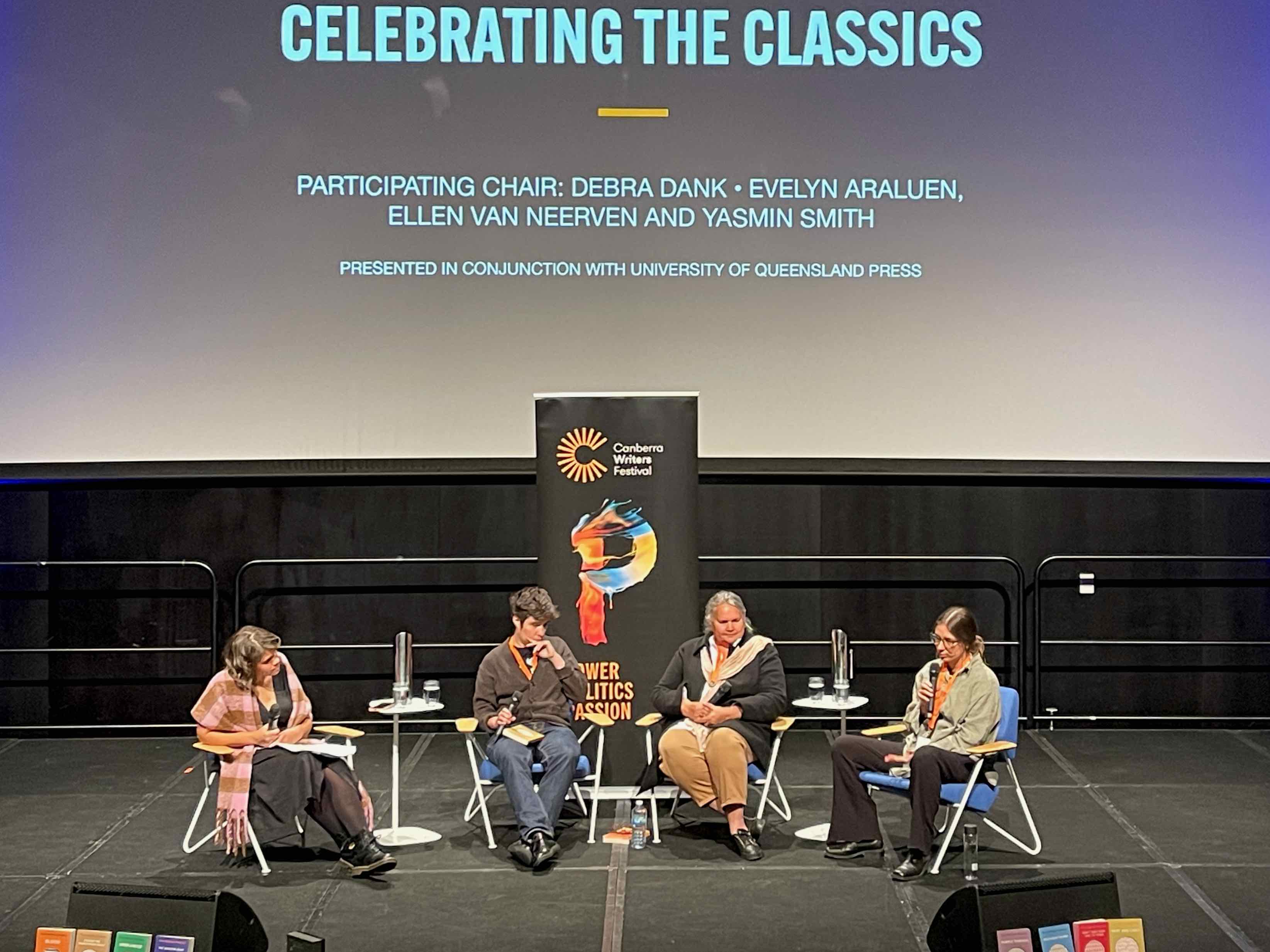
When I saw the line-up for this session – Debra Dank, Evelyn Araluen, Ellen Van Neerven and Yasmin Smith – I was in. I have read and admired writing by three of these writers and was keen to attend that rare thing, an all First Nations panel.

Its topic was described as follows:

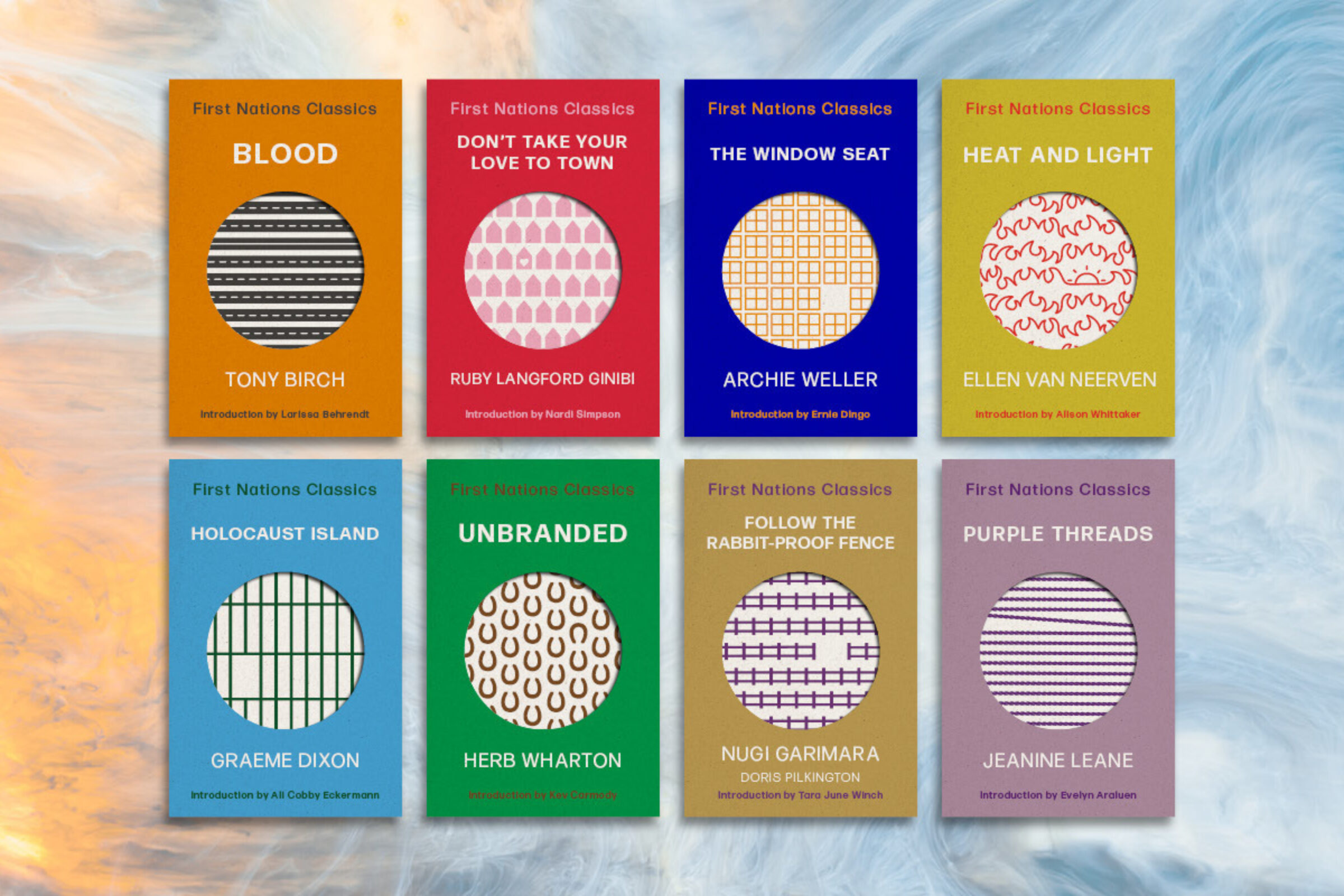
A new literary project sets out to change the way we tell the story of Australian literature. Join series editor, Yasmin Smith and a stellar panel of writers as they celebrate the first edition of First Nations Classics. Essential reading for all generations.

The discussion

The program didn’t, for some reason, identify the publisher of this new series, but it is the wonderful University of Queensland Press which, as the panelists said several times, has an excellent track record in publishing and supporting First Nations writing. I wrote about this series late last year, so loved having the opportunity to hear it discussed by those involved.

The session started with acknowledgement of country, and then with each writer briefly introducing themselves, which they did primarily by identifying the country they belong to. I love that these country names are now becoming so familiar to us all. We are all learning – almost by osmosis – the First Nations make-up of the land we live on.

Smith then talked about the inspiration for the series, about UQP’s “incredible backlist” of books across a range of forms, that are timeless and have a clear relevance now. She then asked the panelists what makes a classic. The responses to this age-old question were varied, thoughtful and provocative . Araluen commenced because, she said laughingly, the “eye contact” had come to her! I loved her response – it’s when a book shifts into a communal relationship! The idea of “classics”, she said, is related to “the cannon”, and idea which is a western concept loaded with values of the the city-state(Plato), beauty and artistry (Aristotle), and – haha – sexual innuendo (Shakespeare). For her though a classic is a book that’s ground-changing, and that people incorporate into their lives. Real classics live within communities, outside universities. They are classics because they are valued by the people they are for and from.

She also talked about the musicality of writing, such as Ruby Langford Ginibi’s Don’t take your love to town. Dank picked up this idea and talked about musicality and rhythm. These make a classic, they are the “thing that beats within all of us”.

Van Neerven talked about classics being stories that can be read and heard, and about her own early reading as a 19-year-old of writers like Oodgeroo Noonuccal, Samuel Watson, and Leonard Fogarty. These spoke to her, though they were not alway widely celebrated in their times. She talked about Jackie Huggans’ book Sister girl. Rereleased last year, it had sold more in the next two months than it had in its first 30 years. Black literature is now being read and recognised; young people are people inspired to add to the conversation; and the publishing industry is more open to black stories.

It was then suggested that classics have great characters, a strong voice, truth-telling, and good evocation of place. Araluen identified Jeanine Leane’s Purple threads (my post) as an example of great evocation of place. You can “feel its realness, authenticity”. Classics also embody a sense of honouring what came before.

Smith next asked the panelists to talk about the growth of First Nations literature since their careers began, to which Debra Dank’s laughingly said that she was surrounded by “gorgeous, youthful folk” but that she was the youngest in terms of a writing career. Her PhD was in semiotics, which is what motivated her. She believes not many non-Indigenous Australians are aware of the depth of black writing, of its amazing richness. Blackfellas tell stories differently (which I loved hearing because I have commented on it before, and hoped I wasn’t making it up!)

Smith encouraged Van Neerven to talk about her Heat and light (my post) journey. She started with her unversity days when all her reading was “so white”. She then talked about learning what she didn’t know, how to break rules, and what she wanted to say; and about being part of the black&write! program. When Heat and light, a hybrid book, was published in 2013, there was little queer representation in First Nations literature, and little satirical/futuristic/speculative writing in the black space. There has been significant change in both these areas over the decade.

Araluen talked about Purple threads, which, like much First Nations literature, doesn’t fit into a neat package. There was talk of “blackfellas evading classification”! She found it both an honour and a challenge to be invited to contribute an introduction to Leane’s book. She tried three introductions: a literary analysis on why the book doesn’t fit the usual prose categories, but this came from our impulse to name; looking at it within the framework of Leane’s life but this would tell people how to read it; and finally, a focus on the place. She drove to Gundagai (under Leane’s guidance) and immersed herself in the place. It was an immense privilege to step into someone else’s story. All the books she said come from particular contexts, but are now in conversation with each other.

At this point she made a shout out to the Festival’s Artistic Director, Beejay Silcox, for her diversity and inclusiveness this year’s programming.

Smith then noted that classics hold deep, rich history, and asked Dank if she had any favourites. Dank neatly sidestepped this (almost), saying that each book reflects different times and experiences. She did though name Herb Wharton’s cattle country book (Unbranded) and said Ruby Ginibi’s book is a classic. She’s relatively new to Van Neerven’s work which she sees as profound in a different way. She really couldn’t pick favourites, she said. they are life markers, they guide us.

Araluen wondered what the series will do for kids, and then asked Smith about her experience managing the process. Smith said it felt overwhelming, but it was all based on consultation and community. The challenge was working out who could speak to which book for the intros. It was also very hard to choose the initial 8. She was 19 years old when she first read a black writer, Tara June Winch’s Swallow the air. It gave her a sense of belonging; she could see herself. So, she wanted books “that spoke to ourselves as black writers and black readers … to community”.

Q & A

  • On a second series and the production process: There is a second series of 8, coming out next June (2024). The process was complicated: some were out of print, some pre-digital, so there was scanning, rekeying, retypesetting; there was designing the covers to make them collectible as a set; there was no editing of the works, but there was the commissioning of the intros. It takes a long time.
  • On getting the books into school curriculums: Some are already (like Heat and light) but they are trying to get them into the educator’s market. Some have teacher notes.

The panelists then asked each other questions. Araluen asked Van Neerven how she felt about Alison Whittaker writing her book’s introduction. Van Neerven said she’d been daunted by the whole process when her book first came out, but this time felt more in control. She liked how Whittaker contextualised the book from her own experience. She loved feeling her work had been cared for.

Van Neerven then asked Dank what she was working on now. Dank wasn’t sure it was wise to talk about, but she is reframing the other part of her PhD which is about black narrative, but she is having second thoughts about its form. The problem is it’s about to go to the printers! Araluen answered the same question, saying it will be some time before she tries poetry again! Her next book is from her PhD on desire, haunting and healing in literature and storytelling.

Van Neerven didn’t get to answer her own question. She was saved, she said, by “1700 [the session end time] staring at her”!

This was truly lovely panel, in which the panelists showed such respect for each other but also exuded a quiet confidence in themselves – and gave me some new things to think about. Beautiful.

Canberra Writers Festival, 2023
Celebrating the classics
Saturday 19 August 2023, 4-5 pm

Stella Prize 2023 Winner announced

The 2023 Stella Prize winner was announced tonight and, for the second year in a row, it’s a poetry collection …

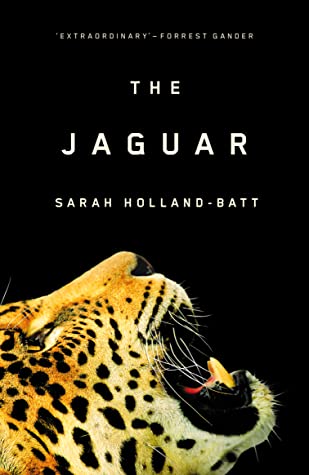
Sarah Holland-Batt’s The jaguar

Darn it! I nearly bought it last weekend when I was at the National Library but with my move and having stuff everywhere, I put it back down again and thought, maybe later. I guess it’s now not “maybe” but “yes later”. However, I’m pleased to share that a couple of bloggers I know have already read and reviewed it – like Kim at Reading Matters and Jonathan at Me fail? I fly! Check their posts if you are interested.

The judges said that The jaguar “investigates the body as a site of both pleasure and frailty”. The panel chair, Alice Pung, expanded on this saying that

… This is a book that cuts through to the core of what it means to descend into frailty, old age, and death. It unflinchingly observes the complex emotions of caring for loved ones, contending with our own mortality and above all – continuing to live.

It’s a response, I understand, to the death of Holland-Batt’s father. Those who have followed my blog for a while will understand, then, why I really would like to read it. Stella CEO, Jaclyn Booton, describes it as “a gift of a book” that “examines questions of grief and memory and care”.

You can read more on the Stella website, including an excerpt from Sarah Holland-Batt’s acceptance. She commented that she was “thrilled to enter into the company of the extraordinary writers who have received the Stella” and also said:

“It’s both an indescribable joy and a deep honour to receive the Stella Prize for The Jaguar. I wrote this book during an intensely challenging period, as my father was dying, and just after. It was the friendship, generosity, and camaraderie of women that not only saw me through this difficult time, but that has been the sustaining armature of my writing life.

Just to remind you, the judges were author Alice Pung, in the chair, with her co-judges bibliophile and host of The Garrett podcast (among many other roles) Astrid Edwards; essayist and literary critic BeeJay Silcox; writer, editor, broadcaster, and Walkley award-winning journalist Jeff Sparrow; and First Nations poet, essayist and legal advisor Alison Whittaker.

I have read eight of the ten previous winners: Carrie Tiffany’s Mateship with birds (2013, my review), Clare Wright’s The forgotten rebels of Eureka (2014, my review), Emily Bitto’s The strays (2015, my review), Charlotte Wood’s The natural way of things (2016, my review), Heather Rose’s The museum of modern love (2017, my review), Vicki Laveau-Harvie’s The erratics (2019, my review), Jess Hill’s See what you made me do (2020, my review), and Evelyn Araluen’s Dropbear (2022, my review).

Thoughts anyone?

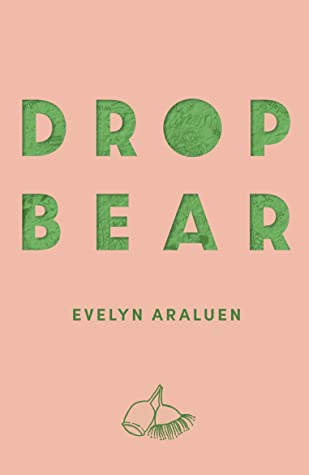
Evelyn Araluen, Dropbear (#BookReview)

The final line of “Gather”, the opening poem in Evelyn Araluen’s collection Dropbear, announces her intention – “got something for you to swallow”. Well, I can tell you now, if you haven’t already read the book, she sure has.

Dropbear, self-described by Araluen as a “strange little book”, won this year’s Stella Prize, the first year, in fact, that poetry was included as an eligible form for the prize. It has also been highly commended or shortlisted for several other significant Australian literary awards. I can see why. It is a fiercely intelligent, confronting and discomforting read that tells truths we all need to hear – and feel. It is also, however, a literary feast, replete with allusions to Australian literature from May Gibbs to Kate Grenville, from Banjo Paterson to Peter Carey, and more. There is a reason for this as Araluen explains in her Notes at the end. Dropbear should, she writes,

be read with the understanding that the material and political reality of the colonial past which Indigenous peoples inherit is also a literary one. Our resistance, therefore, must also be literary.

In other words, you fight fire with fire! What this means is that in this collection, Araluen, from her Notes again, “riff[s] off and respond[s] to popular tropes, icons and texts of Australian national culture”. In doing so, she upends prevailing attitudes, challenging the colonial project and making it very clear that it’s still in play. This all starts with the title which comprehends the myths and dishonesties at the core of Australia’s settler culture.

In the collection’s second piece, “The ghost gum sequence”, she revisits Australia’s early colonial history, concluding with

Tench’s gaze is still there – but so is ours staring back.

Simply said, powerful in impact. Araluen, and her peers, are no shrinking violets.

However, she also recognises (as does Larissa Behrendt in After story), that she too was brought up on these same texts she uses in her resistance. Hence

the entanglement: none of this is innocent and while I seek to rupture I usually just rearrange. I arrange the colonial complexes and impulses which structure these texts but it doesn’t change the fact that I was raised on these books too. (“To the parents”)

“To the parents” is one of the more autobiographical pieces in the collection. In it she reconciles her younger self’s frustration. She had seen her “parents as easy victims of the colonial condition, and not agential selves who had sacrificed everything” for their children, whereas in fact:

While my siblings and I consumed those stories, we were never taught to settle for them. My parents never pretended these books could truly know country or culture or me – but they had both come from circumstances in which literacy and the access it affords was never a given. They just wanted me to be able to read.

The resourcefulness of First Nations people is palpable in experiences like this. For Araluen, there is challenge in teasing out the “entanglement” of her own “black and convict ancestors” (“The Ghost Gum Sequence”). This includes that hard “yakker” of connecting with black heritage lost through generations of dispossession: “It is hard to unlearn a language / to unspeak the empire” (“Learning Bundjalung on Tharawal”).

Another autobiographical piece is “Breath” in which she writes of being overseas with J when the 2019-2020 bushfires hit and the pandemic starts. She is confronted by her personal dreams in dystopian times:

We came to talk about temporality, about literature, about the necessity of art in the time of crisis … We spent our youths imagining this kind of life, dreaming of ourselves as writers and thinkers who travel the world to tell stories. Being here tastes sour and hollow – it feels like relic-making. What use is a poem in a museum of extinct things, where the Anthopocene display is half-finished? … What use is witness at the end of worlds.

And yet, she doesn’t give up. In poem after poem she witnesses and shares what she sees. It’s exhilarating to read, if that’s not too positive a spin on tough content. “The trope speaks” addresses the many ways in which settler literature has usurped place, ignorantly and arrogantly:

The trope feels a ghostly spectre haunting the land, but smothers it with fence and field and church

The trope thinks every tree is a ghost gum

Later, in “Appendix Australia”, which comprises bitingly funny footnotes, this latter point is referenced again in “37. sic: not a fucking ghost gum, ibid”, reminding us yet again how little we settlers really do know country, as we muddle, if not stomp, our way around it.

The collection is divided into three parts – Gather, Spectre and Debris – which reflect a thematic and narrative trajectory that takes us from historical imperatives in Gather, through more personal reflections in Spectre, to marrying present and past in Debris, though I am making this sound more clear-cut than it really is, because the connections are more organic than formal.

The pieces vary significantly in form and style, and include prose poems, upper-case poems, a redacted poem, and memoir, but there is a coherence that transcends this difference. This coherence lies in the book’s overall unrelenting exposé of the workings of a colonial-settler society that still avoids the truth, and it is supported by recurring ideas and multilayered images, like banksia men and gumnut babies, ghosts/spectres, smoke/ash, and haunting/hunting. Each of these contain opposing ideas that jolt the reader into stopping to consider the meaning and argument being presented. It’s not easy reading, but it is worth persevering.

The final piece in Gather is “The Last Endeavour”, which tells the Cook story. It’s a prose poem that makes no bones about what these “ghosts” were doing: “we have the promise of history, the order to bring light to the dark”. It’s dramatic, ironic and, like most of the collection, satiric.

Immediately preceding this is the telling “Dropbear Poetics” which concludes with:

you do wrong        you get wrong
you get
gobbled up

Can’t say plainer than that.

The book, then, conveys ongoing loss, and critiques how deeply settler-driven history and literature is implicated in that, but it is also a hymn to country. Araluen is Bundjalung-born and raised in Dharug country, and her descriptions of the birds, trees and rivers of these coastal-riverine places are paradoxically beautiful when set against the overall narrative.

Dropbear is an impossible book to review, because every time I pick it up to consider how to end this post, I see something else I want to share. I must finish it, but I must also mention the irony and wit to be found in the collection. Poems like “Acknowledgement of cuntery” and “Appendix Australis”, for example, are breathtaking in their use of humour to skewer settler hypocrisy and obliviousness.

In a final act of deconstruction and, perhaps, reconstruction, Araluen ends her book with the defiant poem, “THE LAST BUSH BALLAD”, that sees the Banksia Men, the Bunyip, and the Dropbear defeated. It concludes on a reminder of the opening poem:

I told you I was prepared to swallow.

Araluen’s Dropbear might be a “strange” book, but it is certainly not little. It’s audacious, erudite and unsettling (pun intended), and warrants every bit of the time and attention I gave it – and more. Recommended.

Brona (Brona’s Books) has also posted on this book. However, I don’t think she will be offended if I say that Jeanine Leane’s First Nations analysis in the Sydney Review of Books comprehends and explains this work far better than we ever could.

Evelyn Araluen
Dropbear
St Lucia: University of Queensland Press, 2021
104pp.
ISBN: 9780702263187

Written for Lisa’s First Nations Reading Week

Stella Prize 2022 Winner announced

The 2022 Stella Prize winner was announced tonight and it’s not a surprise, as several of us in the blogosphere rather thought that

Evelyn Araluen’s Dropbear

would be the winner. Indeed, I was so confident I took it with me to Melbourne this month, fully intending to read it. But, there was not much reading time, and it took most of my time there to finally finish 2020’s winner, Jess Hill’s See what you made me do (my review). I only read a couple of pages of Dropbear before I realised that I’d better read my reading group book for this week’s meeting. (It’s the next review you’ll see!) So, Dropbear is still languishing on the TBR, but you may remember from my shortlist announcement that Brona has reviewed it. Jonathan Shaw at Me fail? I fly has also reviewed it.

The book is a combination of prose and poetry, and the judges described it as:

a breathtaking collection of poetry and short prose which arrests key icons of mainstream Australian culture and turns them inside out, with malice aforethought. Araluen’s brilliance sizzles when she goes on the attack against the kitsch and the cuddly: against Australia’s fantasy of its own racial and environmental innocence.

The panel chair, Melissa Lucashenko, said that it will take you “on a wild ride” that is “simultaneously comical and dangerous”. All this confirms my desire to read it, because I enjoy writers who play with traditions, conventions and myths to encourage us to look again at who we are and what we do.

The quotes above, plus one by Stella’s Executive Director, Jaclyn Booton, can be found on the Stella website (linked below). There is also a quote from Evelyn Araluen’s acceptance. She commented that she’d been following the Stella for the length of her writing aspirations, and had hoped one day to write a novel that would win it. She never dreamed Dropbear would be that winner. She also said:

I’m deeply interested in the lives, histories, and dreams of women and gender diverse writers in Australian publishing, and it’s an honour to be recognised by a prize designed to champion those stories. There aren’t words to explain how thrilled I am to win.

Just to remind you, the judges were author Melissa Lucashenko, as chair, with her co-judges being writer, poet, essayist Declan Fry; author-across-all-forms Cate Kennedy; memoirist and activist Sisonke Msimang; and essayist and screenwriter Oliver Reeson

There’s more on the anouncement on the Stella website.

Any comments?