 Well, bizarrely, I did the first three weeks from 2016 for my first Non-fiction November of 2018 post! I won’t revisit those – they’re similar topics to this year’s anyhow – but I’m back on track for this post. Non-fiction November, if you haven’t guessed, involves celebrating non-fiction for the month, with each week focusing on a specific issue, question or topic. This year’s meme is being hosted by Katie (Doing Dewey), Kim (Sophisticated Dorkiness), Rennie (What’s Nonfiction), Julz (JulzReads), and Sarah (Sarah’s Bookshelves).
As with my first post which covered weeks 1 to 3, I’m combining weeks 4 and 5 into one post and am publishing it during the weekend between the two weeks.
Week 4: (Nov. 19 to 23) – Reads Like Fiction (Rennie @ What’s Nonfiction)
This topic essentially asks whether we like a form of non-fiction called “narrative” or “creative non-fiction”, which Wikipedia describes as “writing that uses literary styles and techniques to create factually accurate narratives.”
Well, in a word, yes – I do – very much. If that makes me sound soft, then so be it, but I’d argue that non-fiction writer using literary styles and techniques to engage readers doesn’t automatically weaken the seriousness or worthiness of their content. Commenting on a previous post of mine, historian Yvonne Perkins quoted historian Penny Russell who said that “Writing history… is a creative art. It requires empathy, intuition, a keen sense of drama and pathos, a distinct narrative flair.”

So, who (or what) are my favourites? One of the internationally recognised exponents of this form is the Australian writer, Helen Garner, whom I started reading long before blogging. Her books Joe Cinque’s consolation and This house of grief are excellent examples, and she influenced, I believe, younger Australian writers, like Chloe Hooper (The tall man) and Anna Krien (Into the woods and Night games). In these books the narrative drive comes from the writer’s involvement in the “story”, in their taking us along in their thinking and investigation. And to be not entirely ethnocentric, I’ll name one excellent non-Australian author I’ve read, albeit some years ago – Erik Larson and his book Isaac’s storm.
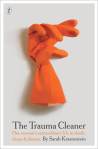
 Turning to this year, most of my non-fiction reading has been biography, which lends itself to this “creative” approach though not all biographers do adopt it. Two that I’ve read this year did, however, Sarah Krasnostein’s The trauma cleaner and Michelle Scott Tucker’s Elizabeth Macarthur: A life at the edge of the world. Krasnostein achieves it by being part of the journey, by using a creative structure interweaving her subject’s past with her present life, and by evocative language which uses the sort of imagery more common in fiction. Tucker, on the other hand, takes the more traditional straight chronological approach, but she encourages us to engage with Elizabeth Macarthur the woman, rather than present her to us as a fait accompli. There are gaps in Macarthur’s story. For example, we might know what happened, but not, perhaps, how or why, so Tucker uses her imagination – and makes it clear she’s doing to – to consider the situation. Here’s an example:
No. The most likely source is Elizabeth Macarthur, once more trying to mitigate her husband’s wilder misjudgements. But we have to imagine it: a hushed yet heated conversation with Edward to send him flying out after Oakes and then a vain attempt to placate and soothe John …
This is a thoroughly researched and documented biography, but written with a narrative, dare I say, novelist’s flair.
Week 5: (Nov. 26 to 30) – New to My TBR (Katie @ Doing Dewey)
Unfortunately, like last year, and although I’ve been reading several participants’ posts, I haven’t added anything to my TBR as a result of these November posts, because – and it’s a big because – I have so much already on that pile, including, most recently:
- Peter Ackroyd’s Dominion (History of England V)
- Elizabeth Kleinhenz’s Germaine: The life of Germaine Greer (about which I have also posted recently)
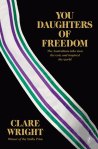
- Clare Wright’s You daughters of freedom (currently reading, and about which I have already posted)
However, if I were looking for book ideas, I’d probably go back to some of “expert” posts. What a variety of topics – from Kate (booksaremyfavouriteandbest) on Empathy to Debbie (ExUrbanis) on Downsizing and Making Major Life Changes, from Buried In Print’s call for good non-fiction books on Indigenous Storytellers to Brona (Brona’s books) wanting more on the French Revolution (which reminds me that I must go recommend something!) To name just a few!
Meanwhile, I’d love your comments on any of the above, but particularly your thoughts on non-fiction that reads like fiction. Do you like it? And if so, do you have any you’d recommend?


 Whispering Gums