The Winners of the the Prime Minister’s Literary Awards for 2023 were announced this evening.
The website says that 643 entries were received across six literary categories: fiction, non-fiction, young adult literature, children’s literature, poetry, and Australian history. Each shortlisted entry receives $5,000 with the winner of each category receiving $80,000. The awards are now being managed by Creative Australia, rather than by the Department of the Arts, which should provide the right arms’ length distance and avoid the problems of political interference which soured some of the early awards.
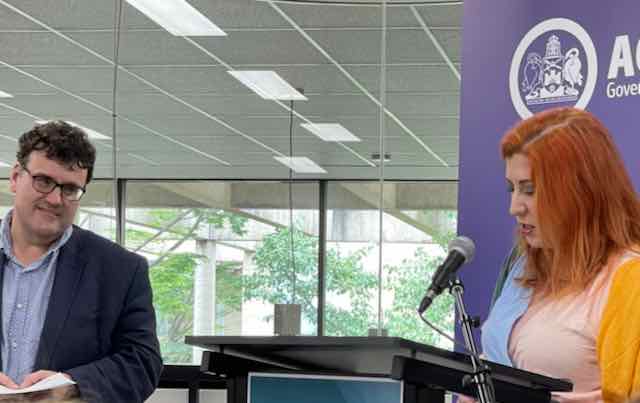
The event, which I attended in livestreamed form from the National Library, was slick but not superficial. Arts Minister Tony Burke inspired me once again, not only with his passion for the importance of the arts to Australia and his determination to entrench arts policy in government, but with his obvious personal engagement with arts across all forms. I’ve seen it before, and I saw it again. It’s a joy. As MC, Benjamin Law said, any Minister who takes poetry into the office has “got the vibe”.
Below is the shortlist for the three categories I am most interested in, with the winners marked in bold.
Louisa Lim, Indelible city: Dispossession and defiance in Hong Kong
Brigitta Olubus, Shirley Hazzard: A writing life
Thom van Dooren, A world in a shell: Snail stories for a time of extinctions
Sam Vincent, My father and other animals: How I took on the family farm (Vincent said that he “wants to change perceptions about what Australian farmers can do and be” particularly regarding their relationships with First Nations people)
Australian history
Alan Atkinson, Elizabeth and John: The Macarthurs of Elizabeth Farm
Rohan Lloyd, Saving the Reef: The human story behind one of Australia’s greatest environmental treasures
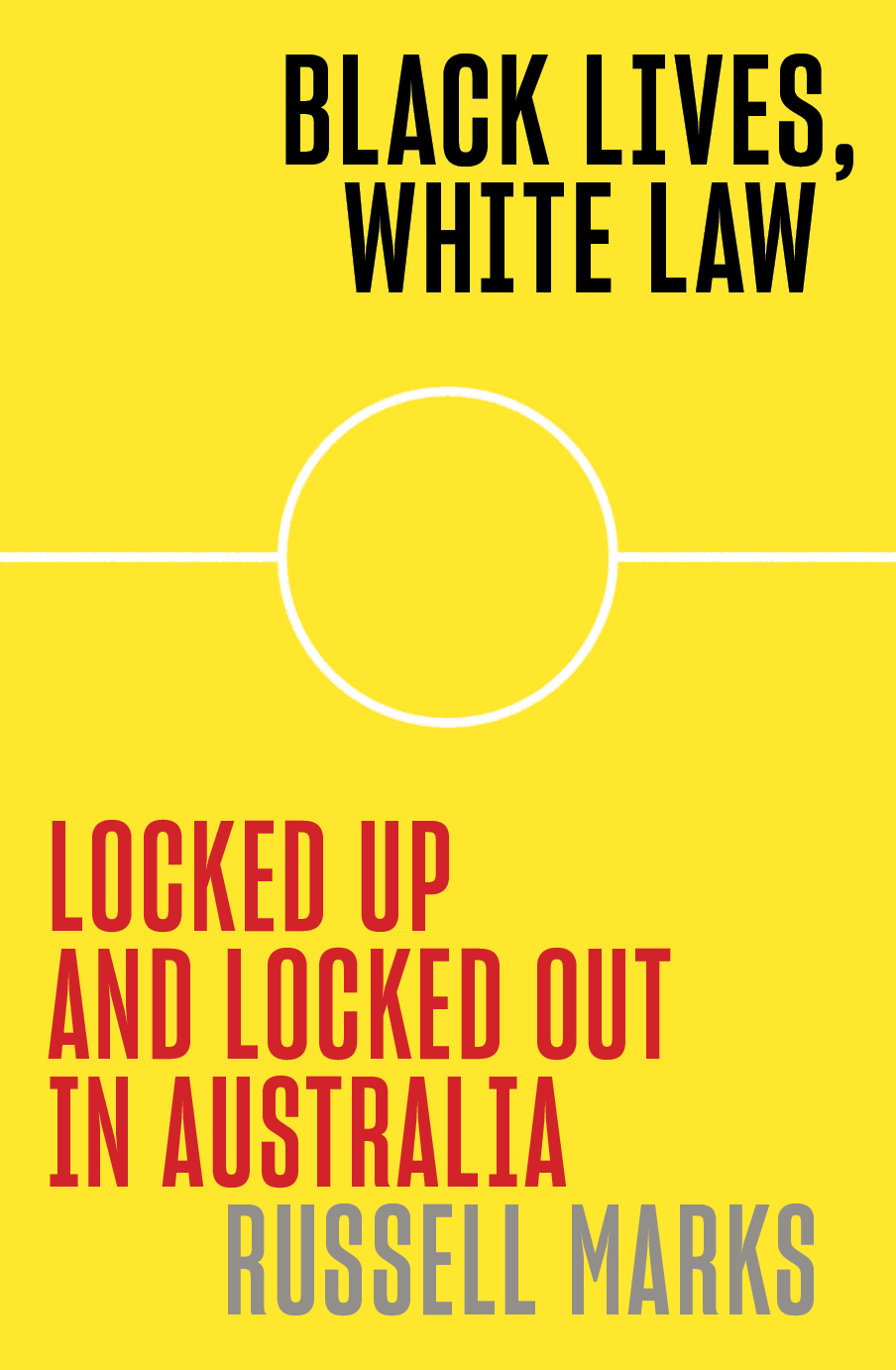
Russell Marks, Black lives, white law: Locked up & locked out in Australia
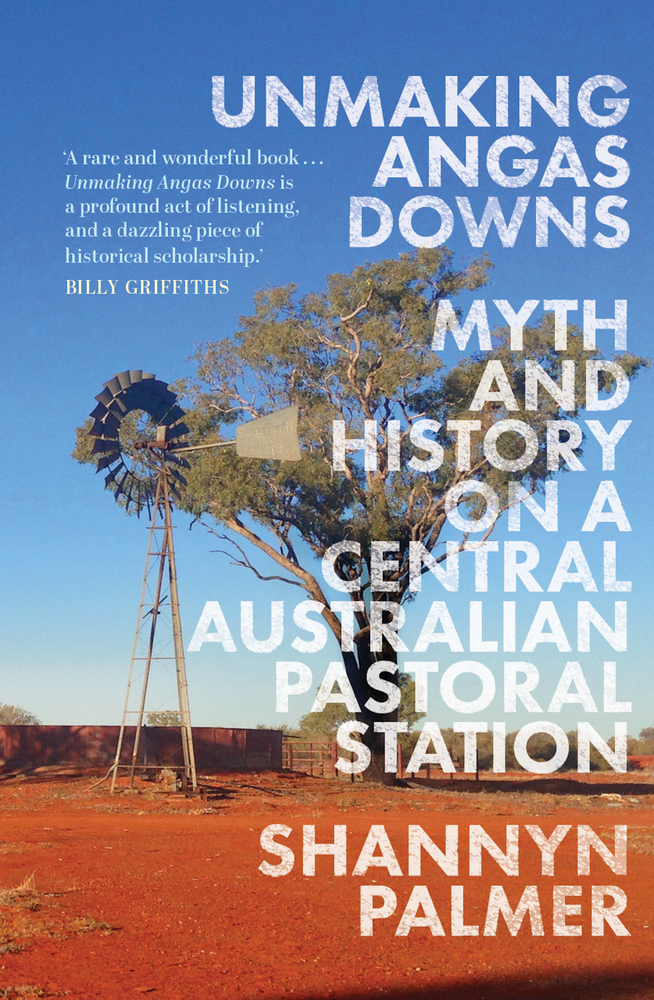
Shannyn Palmer, Unmaking Angas Downs: Myth and history on a Central Australian pastoral station
Lachlan Strahan, Justice in Kelly Country: The story of the cop who hunted Australia’s most notorious bushrangers
Other category winners …
Poetry: Gavin Yuan Gau, At the altar of touch
Young Adult fiction: Sarah Winifred Searle, The greatest thing (Searle said during her acceptance speech, referencing how challenging the world is to navigate, “admit you’re scared even if you don’t have answers”.)
Children’s fiction: Jasmine Seymour, Open your heart to country
The complete shortlist with judges’ comments can be seen on the website. But I will say that the shortlist and the winners are impressively diverse, in who created the works and in their subject matter. So good to see.
Our lives are made more meaningful in the presence of a talented scribe. (Benjamin Law, closing the awards presentations)
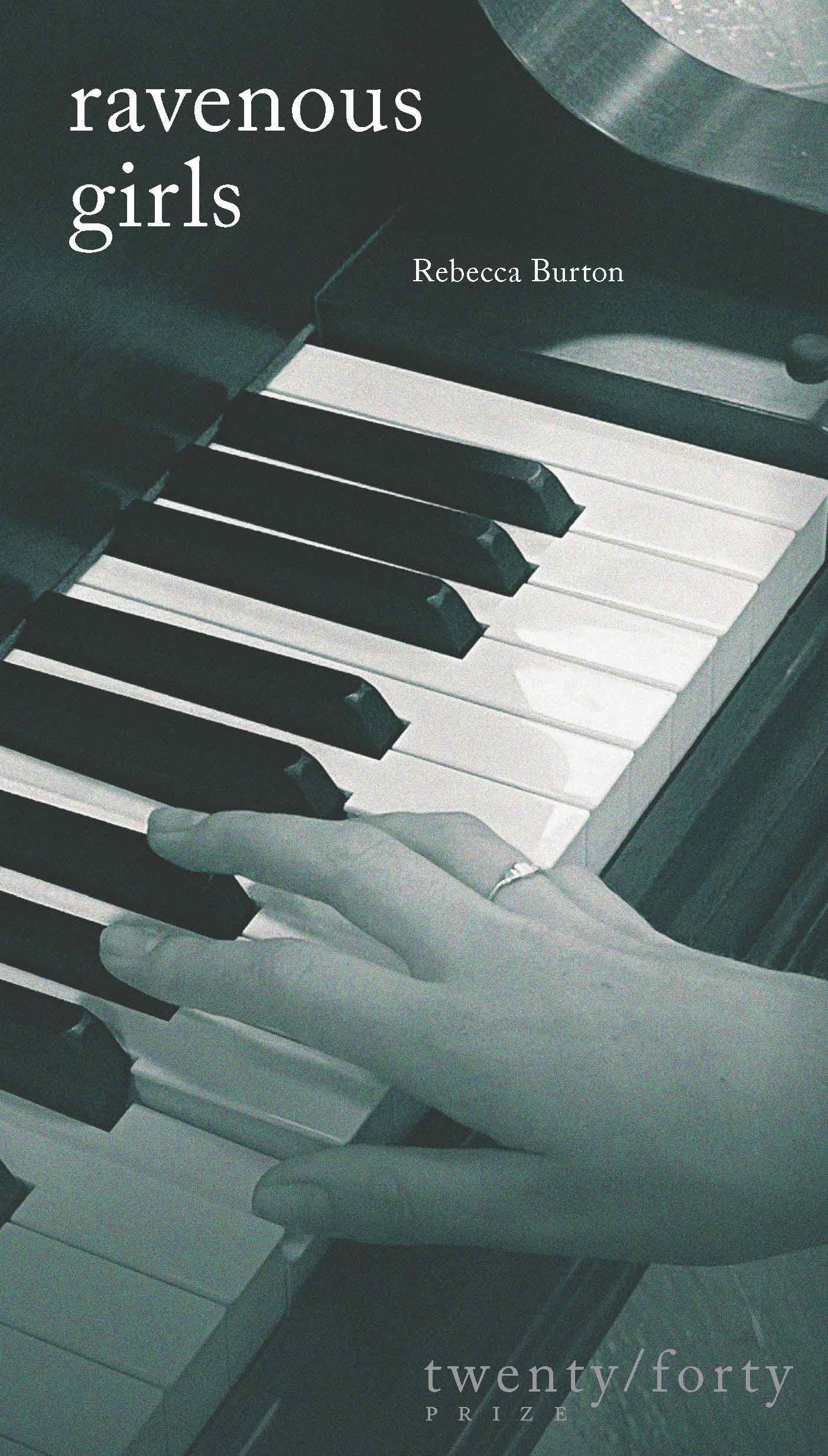
Rebecca Burton, as I’ve said in previous posts on the prize, is an editor, and author of two young adult novels, Leaving Jetty Road and Beyond Evie, both published by HarperCollins Australia. This book, I’d say, is a cross-over. It could be read by YA readers, but its subtle perspective of looking back from some years later, means that it is particularly geared to adult readers.
Finlay Lloyd writes on their website that
Stories of family dysfunction often expose us to relentless failure. And while Ravenous Girls is about the tensions and growing distance between two sisters—the elder burdened by anorexia, the younger by self-doubt—it is distinguished by its lithe and tender understanding of the complexities of growing up.
It is, I suppose, a story of family dysfunction, but in the sense that most families, dare I say, can be dysfunctional to a point. By this I mean that many families face trauma and challenges that can affect how well they function. Which is the chicken, which is the egg? It’s probably not worth much going there – and this book doesn’t. Nonetheless, there is a bit of backstory to why things may be the way they are.
So, Ravenous girls. It’s told first person from the point of view of 14-year-old Frankie, which puts her slap-bang in the coming-of-age category, and like most her age she is unsure about who she is. She feels “the wrongness of me”, which includes sometimes being “too much me”. She is challenged by her friend “racing away” from her, as can often happen at this time of life, with neither the racer-ahead nor the left-behind having the tools – the experience – to manage it gracefully. Frankie feels the loss deeply, just when friendship is most needed.
Meanwhile, Frankie’s family life is challenged by the fact that Justine, her seventeen-year-old sister, is, as the book opens, about to enter an Eating Disorders Unit as a live-in patient. The third person in this family is Iris, their mother. She – and all of them – still suffer from the premature death of husband and father some eleven years earlier. I have seen this happen – a mother’s grief over the early death of her husband derailing family relationships. That seems to be part of the situation here.
The story primarily covers the months over the summer holidays when Justine is in hospital. Frankie, at loose ends because friend Narelle has secured a holiday job, visits Justine every day. She observes Justine, and thinks about what is happening to her and why. She and her mother attend, with Justine, a poorly-handled family therapy session, and she also attends a family support group. Neither of these provide much help or support. She doesn’t see either Justine or her family in these, so she continues to try to work it out for herself. She sees her mother’s tiredness and pain, and she sees there is no space for her own concerns when Justine’s needs are so great, which is something Justine, bound up in her own growing-up challenges, doesn’t appreciate.
What elevates this reading from what could have been a “woe is me” tale are the occasional foreshadowings or hints from later Frankie, telling us what she now knows, or in some cases, still doesn’t know. These references play several roles, from recognising their naiveté at the time (“It astonishes me now that this is the way we thought”) or her own self-absorbed inattention (“maybe if I’d listened more carefully”) to sharing lessons learnt or hinting that character development had occurred (“But now I think that I may have been a monster too”). Burton handles these later reflections adroitly – they add richness and depth without spoiling the conclusion or losing the tension or reducing our care for the characters.
The novella is set in 1985/1986 Adelaide, and Burton captures the era well – the political happenings from Queensland’s Joh Bjelke-Peterson to America’s Unabomber, the technology (cordless phones appearing, but certainly no mobiles!), the films and music. I could ask why the novel is set then, which is my usual question for novels set in the past, but, for a start, an earlier time-period is necessary to enable the inclusion of that perspective, I’ve mentioned, of the much older Frankie.
There are references during the novella to Frankie and her mum reading books about anorexia and other recovery memoirs – as readers will do when confronted by difficult situations. I liked this comment – or warning – about such memoirs:
It didn’t occur to me that what was truth for one person might not be true for another – or that the truth as people wrote about it wasn’t always the truth as they’d experienced it.
Fortunately, Ravenous girls isn’t a memoir!
As with all Finlay Lloyd books, the design is gorgeous. It has their unique shape, a dust jacket despite being a paperback, and a stylish but minimalist overall design aesthetic with elements that carry through to the other winner.
Before I close I must mention the title, Ravenous girls, which relates to anorexia and the hunger its sufferers experience. In anorexia, as we know, the hunger, and hence the title, is not purely literal. For Justine, as she articulates to Frankie, it’s about “wants”: “I don’t want to want the things I want, you know?” “Ravenous” perfectly encapsulates the intensity of need explored here.
Ravenous girls is a compassionate book that sensitively charts the emotional ups and downs that are part of the anorexia landscape, and explores the helplessness about understanding what is such an individual and complex mental condition. It also conveys something more generally relatable about family relationships – sisterhood and daughterhood, in particular – and about how darned hard it is to grow up. But, grow up we do.
This is a new award that was first made in 2022. It is not a huge award in prize money, but it’s not minuscule either. The winning author (or authors) receives $15,000 and each shortlisted author receives $1,000. It’s great to see, in fact, more and more awards offering a monetary prize to the shortlisted books.
recognises the vital part political books play in better understanding Australian politics and public policy. Well researched, balanced and compelling political books that engage Australians are vital to the strength or our democracy.
Further, it says, the longlisted, shortlisted and winning books will be those the judges determine to have
provided the most compelling contribution to the understanding of Australian political events and debates.
The award is sponsored by a Melbourne independent bookshop, Hill of Content Bookshop, and the York Park Group.
James Curran, Australia’s China odyssey: From euphoria to fear (NewSouth Publishing): looks at the relationship between China and Australia through Australia’s prime minister from Gough Whitlam in 1972.
Russell Marks, Black lives, white law: Locked up and locked out in Australia (La Trobe University Press): interrogates the fact that First Nations Australians are the most incarcerated people on the planet. This book has also just been shortlisted for the Australian History section of the 2023 Prime Minister’s Literary Awards.
Nick Mackenzie, Crossing the line (Hachette Australia): exposes the story behind the fall of SAS hero Ben Roberts-Smith.
Nikki Sava, Bulldozed: Scott Morrison’s fall and Anthony Albanese’s rise (Scribe Publications): self-explanatory, I’d say!
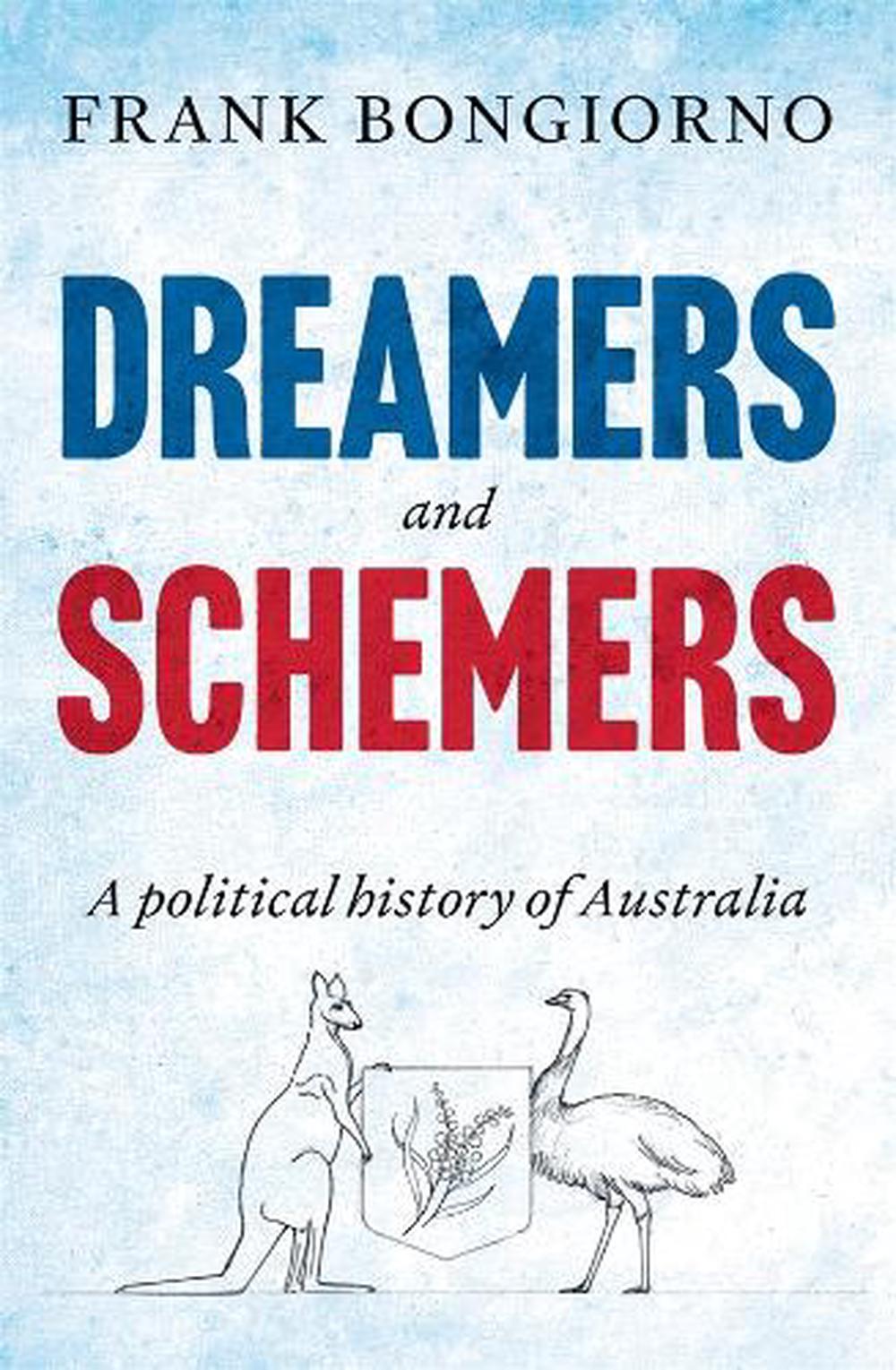
You can see the 2023 longlist on the same page. It includes books by the historian Frank Bongiorno, First Nations author Stan Grant, and author, ex-political advisor and speechwriter, Don Watson. This year’s judges are well-known political journalists Laura Tingle and Barrie Cassidy, and the academic John Warhurst.
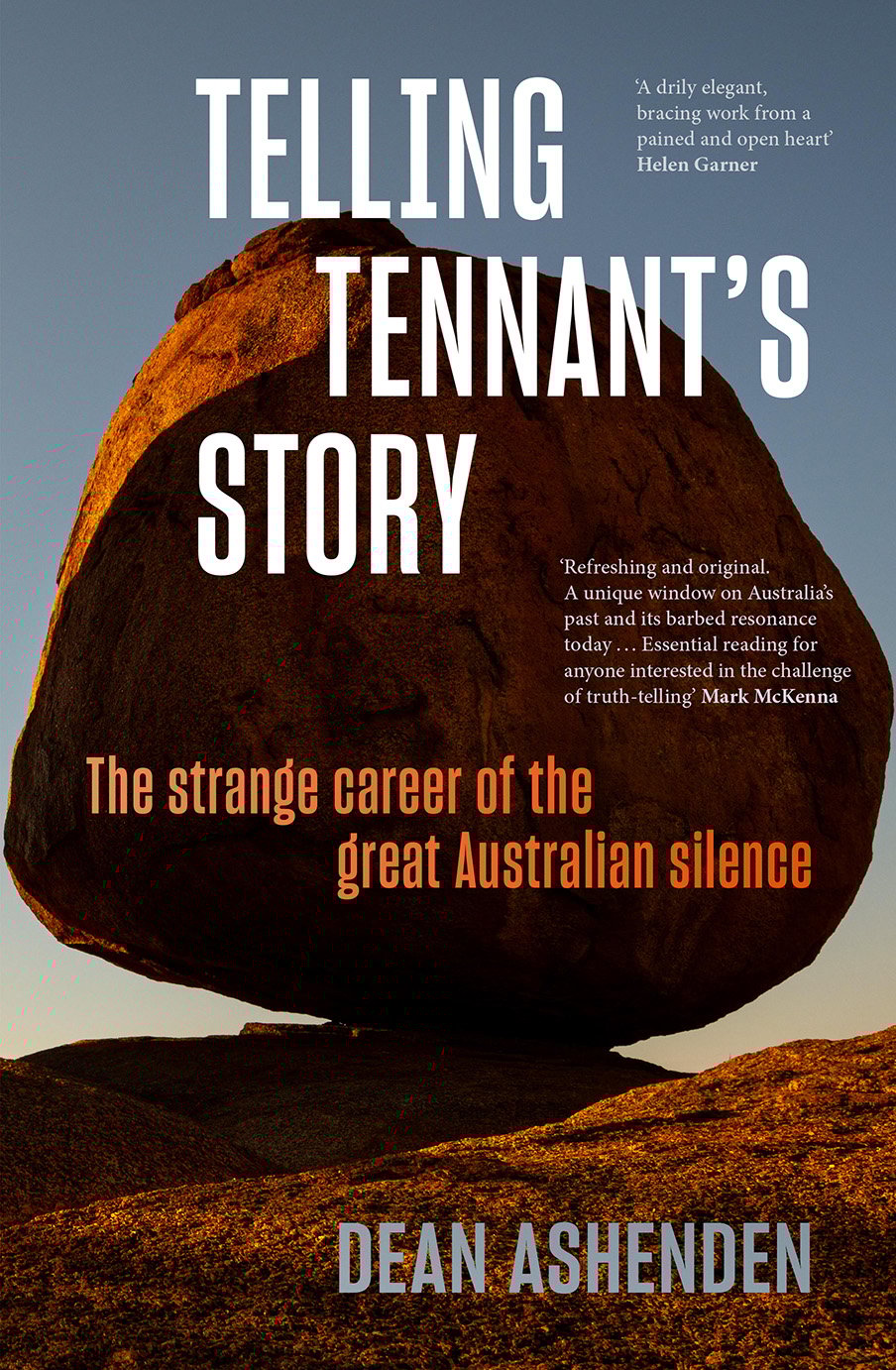
Australia’s current treasurer, Jim Chalmers, announced the 2022 winner at a National Press Club event, the winner being Dean Ashenden’s Telling Tennant’s Story: the strange career of the great Australian silence. It’s about Tennant Creek’s, and by extension, Australia’s silence about the past, about the truth of what happened between settler and First Nations Australians.
Anyhow, back to Chalmers … he spoke, of course, about the prize, the judges and the books. I particularly liked this point he made about political books:
A good book is never just a collection of speeches or an extra-long feature piece – it’s a true study of an issue or idea, full of complications and confirmation, and with the pleasure of illustration, story-telling, portraiture.
He says more, but I’ll just share one more excerpt from his speech, in which he talked about “narratives that don’t just help us recognise patterns but also help us question our assumptions about the patterns we think we see”. That’s the important thing, isn’t it – to keep questioning the assumptions we make, because it is too easy to get locked into them, even when the world and/or our own lives and experiences change.
POSTSCRIPT: Nancy Elin noted in the comments that she has read all the shortlist, and has predicted the winner. Rather than link to each post, I’m giving you this link to her blog as she is an assiduous reader of Aussie books.
Had you heard of the Australian Political Book of the Year Award, and, regardless, does such an award interest you?
Last November, I announced the creation of the new 20/40 Publishing Prize by independent, non-profit publisher, Finlay Lloyd. And then, early this month, I announced the shortlist for the inaugural prize. Today, I announce the Winners.
First though, I’ll remind you that 20/40 is a manuscript award, with the prize being publication. It is not limited to debut or young or women or any other subgroup of writers, as some manuscript awards are. However, it does have some criteria, in addition to looking for “writing of the highest quality”. Submissions must be prose, and must be between 20,000 and 40,000 words (hence the name). Outside of these criteria, works submitted can be “all genres … including hybrid forms”. The plan is to choose two winners, as they have this year, and they hope to run this prize for many years to come.
And now, the Winners
From six on the shortlist, we now have our two winners:
Rebecca Burton, Ravenous girls. FL says “Stories of family dysfunction often expose us to relentless failure. And while Ravenous Girls is about the tensions and growing distance between two sisters—the elder burdened by anorexia, the younger by self-doubt—it is distinguished by its lithe and tender understanding of the complexities of growing up.”. Burton is an editor, and author of two young adult novels, Leaving Jetty Road and Beyond Evie, both published by HarperCollins Australia.
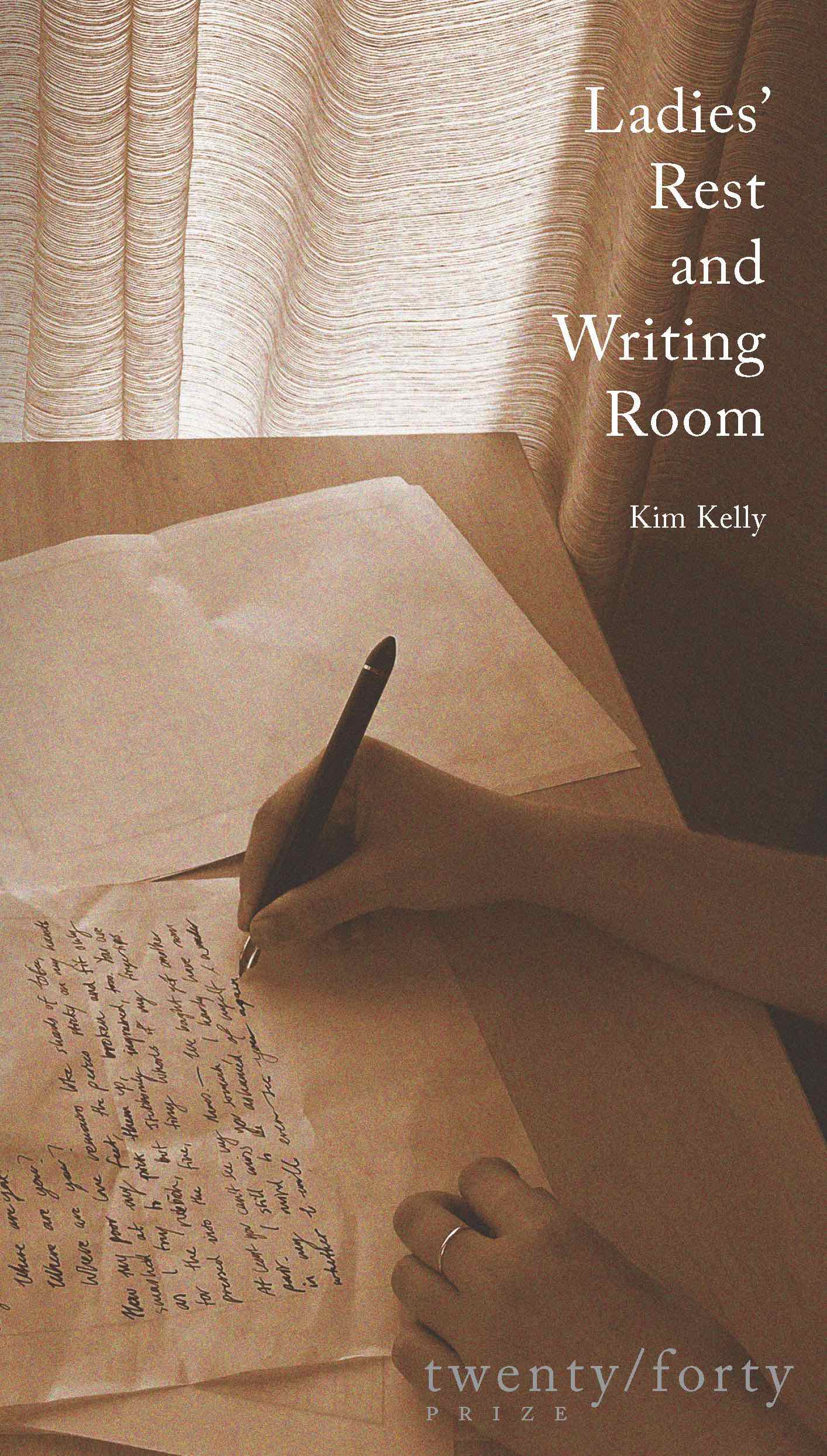
Kim Kelly, Ladies’ Rest and Writing Room. FL says “Two young women, brought up to expect conventional lives, are thrown together in unexpected circumstances. Each has suffered a devastating loss that challenges their belief in life and themselves. It’s rare to come across a work of deep psychological insight conveyed with such verve and lightness of touch”. Kelly is known to many already, I think, as the author of historical fiction, most if not all published now by Brio Books.
Finlay Lloyd had hoped to make one award to fiction and one to non-fiction, but there were not enough strong non-fiction entries this year. They hope this changes as the prize becomes better known. I hope so too, as I enjoy creative non-fiction.
It would be great to see Aussie readers, not to mention others, get behind this publishing prize. You can order the winners at Finlay Lloyd, with a special deal if you buy the two.
There is to be a launch of the books in Canberra on 18 November. If you will be in town that day, and would like to attend, comment here, and I will contact you with the details.
Mary Gilmore, 1927 (Public Domain, State Library of QLD, via Wikipedia)
First though, a bit on Mary Gilmore, for those who don’t know here. She was an Australian writer and journalist, best known as a poet. One day, I will write separately on her, but for now, I will just say that she was highly political, and was part of the utopian socialist New Australia colony set up by William Lane in Paraguay. I wrote about this in another Monday Musings back in 2015.
Gilmore lived a long life, dying in 1962 (in fact!), at the age of 97. She was involved in socialist and trade union movements, and wrote for Tribune, the Communist Party of Australia’s newspaper, though she was apparently never a party member. Her political interests are relevant to the award.
The Award has been known by different names since its creation in 1956 by the ACTU, the Australian Council of Trade Unions. According to AustLit, it was called the ACTU Dame Mary Gilmore Award, and its goal was, ‘to encourage literature “significant to the life and aspirations of the Australian People”‘. Over the years, says Wikipedia, it has been “awarded for a range of categories, including novels, poetry, a three-act (full-length) play, and a short story”. Reading between the lines, I assume this means it was more about content than form.
Since 1985, it has been confined to poetry – to a first book of poetry, in fact – and since around 2019 has been managed by ASAL, the Association for the Study of Australian Literature. Its specific history, I must say, is not particularly clear, but at some time its name was simplified to the Mary Gilmore Award. It was awarded annually until 1998, was then biennial until 2016, but now seems to be annual again. It’s a good example of the challenge to survive that many awards face. The Wikipedia article linked above lists the winners from 1985 to the present.
Pre-1985
It’s the early years of the award that I’m most interested in, mainly because they are less well documented. I’ve tried various search permutations in Trove and have found scattered bits of information, some of which I’ll share here. My first comment is, Wot’s in a name?
I have not found a formal announcement of the award, unless this advertisement in the Tribune of 21 March 1956, the year the award was apparently established, is it. It calls the award the Mary Gilmore Prize, and says submissions should be made to the Victorian May Day Committee. The May Day Committee isn’t the ACTU, but they are closely related, and both support workers’ rights. Indeed, the Victorian May Day Committee page notes that “The labour movement and the trade union movement should continue to build this day as it is the working people’s day”.
Anyhow, the ad invites submissions to the “May Day competitions” and then says that “the best three stories and the best three verses will be eligible for consideration for the Mary Gilmore Prize of £50”. It sounds like May Day literary competitions were already established – the prizes were small, just £5 and £3 – but now a bigger prize was to be offered in the name of Mary Gilmore. And, this year at least, short stories and poetry were the chosen forms. The ad also says that:
The short story and verse most favored by the judges will be those best expressing the aspirations and democratic traditions of the Australian people.
Then, on 12 December 1956, the Tribune announced that “two Mary Gilmore Literary Competitions have been announced by the May Day Committees of Melbourne; Sydney, Brisbane and Newcastle”. For May Day 1957, the “Mary Gilmore Literary Competition” would award prizes for the “first and second short stories and poems, in each of two classes”, meaning four prizes in each class. Class A was for “established” (or )published writers, and B for “new” writers. For May Day 1958, they offered the “Mary Gilmore Novel Competition”, with “a substantial prize, to be announced later” for the “best novel submitted”. The overall announcement added that:
The judges will prefer stories and poems which deal with the life and aspirations of the Australian people.
You can see how tricky the history of awards can be. I have to assume this is the “ACTU Dame Mary Gilmore Award”.
The next mention I found – and I could have missed some – was from the Tribune of 6 January 1960, which, announcing some new publications from the Australasian Book Society, included
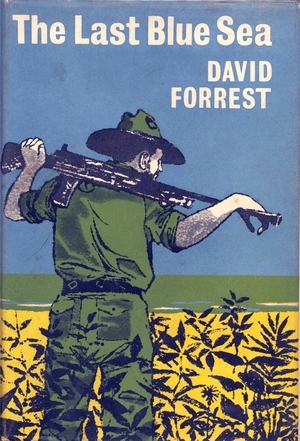
Available now, The last blue sea – David Forrest (Winner, Dame Mary Gilmore Award).
Interestingly, it’s a World War II set story.
Then, again in the Tribune, but this one, almost two years later on 13 December 1961, there is a report on a reception for Ron Tullipan who had won “the 1961 Dame Mary Gilmore Award for his novel, Rear vision“. It’s quite an extensive report which includes references to Jack Beasley, who was “one of the judges of the competition, which is sponsored each year in association with May Day celebrations”. He was concerned about the suggested takeover of the publisher, Angus and Robertson, by Consolidated Press. Read the article if you are interested. The report also noted that:
The Dame Mary Gilmore Award was probably unique in the capitalist world, and a real contribution to Australian literature.
On 22 August 1962, the Tribune announced the presentation of the Dame Mary Gilmore Awards for “poetry, novels and stories”. The winners were Jack Penberthy’s story, “The Bridge”, and Dennis Kevans’ poem, “For Rebecca”. Mysteriously, no novel is named. This report also helpfully names past winners of the award, but without more detail – Joan Hendry, Vera Deacon, Ron Tullipan, Dorothy Hewett, Hugh Mason, and David Forrest. Dorothy Hewett is probably the only one of these still known today.
This article also shared that the Award’s National Chairman, George Seelaf, believed that “in a few years they would be the major literary competitions in our country” but “still more financial support from more unions” was “urgently required”:
“Trade Unionism has always been strongest and literature has always been strongest when writers and unions were closest together. We will encourage writers who tell of the life and aspirations of the Australian people”.
Don’t you love this conviction about the value of literature?
that she was particularly glad to learn of the high standard and the large number of entries. “The more writers, the better expressed will be the thoughts and wishes of Australians,” she says.
The Canberra Times – for a change – reported on 29 September 1962 that Ron Tullipan had won the “Mary Gilmore Award” with his “hard novel”, March into morning (which I described in my last Monday Musings). Is this the novel not mentioned in Tribune’s August report?
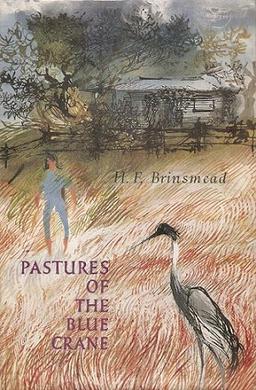
I found more award-winners from the 1960s, and they are interesting in terms of form. In 1963, for example, Hesba Brinsmead’s manuscript of the children’s (young adult) book, Pastures of the blue crane, won. That year, the “Mary Gilmore Award” was for a children’s book, with a second award for a book by a teenager. (Tribune 16 January 1963). In 1967, Pat Flower won the “Dame Mary Gilmore Award” for her hour-long television drama, Tilley landed on our shores. By then, the award was worth $500.
More work needs to be done on this, but it looks like the Dame Mary Gilmore Award Committee would decide each year what the award was for, rather than make it always open to multiple forms. The 1964 award, for example, seems to have been for a novel, while the 1966 one was for poetry. Whatever, the point is that all through this era of the award, the trade unions were behind it, until – well, I haven’t discovered yet how that aspect of it ended. But, what an interesting award.
Last November, I announced the creation of the new 20/40 Publishing Prize by the wonderful (and local-ish to me), independent, non-profit publisher, Finlay Lloyd. Now, eleven months later, the awarding of the inaugural prize is imminent, with the shortlist being announced last Friday and the winners to be announced on 28 October.
But, just to recap, 20/40 is a manuscript award, with the prize being publication. It is not limited to debut or young or women or any other subgroup of writers, as some manuscript awards are. However, it does have some criteria, in addition to looking for “writing of the highest quality”. The submissions can be fiction or non-fiction, must be prose (but “all genres … including hybrid forms” are welcome), and must be between 20,000 and 40,000 words (hence the award’s name, the 20/40 Prize). They aim to choose two winners, each year. In the communication I received last week about the shortlist, Finlay Lloyd publisher and commissioning editor, Julian Davies, says:
Our passion for creating this opportunity for writers and bringing their work to the reading public will continue next year and, we hope, for many more.
That’s great to hear … and we can do our bit to help by buying and reading the winning published novels.
And now, the Shortlist
You can read a brief description of the six works at the announcement link above, so here I will provide some brief author information that I have found online.
Roger Averill, Slippage: freelance researcher, editor and writer, with four books published by Transit Lounge – Exile: The lives and hope of Werner Pelz (Lisa’s review), the memoir Boy he cry: An island odyssey, and two novels, Keeping faith and Relatively famous (Lisa’s review).
Rebecca Burton, Ravenous girls: editor, and author of two young adult novels, Leaving Jetty Road and Beyond Evie, both published by HarperCollins Australia.
Rachel Flynn, New moon rising: author of children’s picture books and novels, including the I hate Friday series, published by Penguin.
Kim Kelly, Ladies’ Rest and Writing Room: author of 12 , mostly historical fiction, novels, most if not all published by Brio Books.
Jane Skelton, Breathing water: writer of poetry, short fiction and novels, published by Flying River Press, Rochford Press, Spineless Wonders and others.
Olivia De Zilva, Hold on tight: writer and poet.
Julian Davies explains on the shortlist page that the works were judged blind.
The judging panel for the inaugural prize comprised Katia Ariel (author and editor), Christina Balint (whose novella, Water music, I’ve reviewed), John Clanchy (novelist and short story writer whom I’ve reviewed a few times), Julian Davies (the publisher and also an author whom I’ve also reviewed a few times), and Stefanie Markidis (writer and researcher).
When I first announced this prize last November, I noted its relevance to Novellas in November. So, I am thrilled about the timing of this announcement, because you can pre-order the two winning novellas at the Finlay Lloyd site, for a special discounted price of $43.20 (instead of $24 each). A bargain. And, if you’ve never read a Finlay Lloyd book before, you won’t be disappointed I’m sure in the artefacts themselves, as publishing good writing in beautiful packaging is what they do. Pre-ordered books will be shipped on announcement day, October 28, giving you time to read one or both by the end of November! I plan to.
Occasionally, as you know, I use my Monday Musings post to make awards announcements, particularly if the announcement is made on Monday, as this award usually is. And so it happened again today, a Monday, that the shortlist for this award was announced.
I have written about it before and so if you are interested to read about its origins and intentions please check that link. In a nutshell, it celebrates “excellence in research and writing”, and, like the Stella Prize, it is not limited by genre. However, given its research focus, nonfiction always features heavily.
The new thing, though, that is worth sharing in today’s post is that in April this year, Waverley Council which manages the award announced that the winner’s prize had doubled in value from $20,000 to $40,000, thanks, they say on their website, “to an ongoing multiyear commitment by the award’s principal sponsors, Sydney philanthropists, Mark and Evette Moran, Co-Founders/Co-CEOs of the Mark Moran Group”. This is a significant prize. The Council’s announcement also said that it had “also increased the People’s Choice Prize to $4000 and will be offering six shortlist prizes of $1,500 each”.
The Award is also supported by community partner Gertrude and Alice Bookshop and Café.
The judges for the 2023 award are Katerina Cosgrove (author), Jamie Grant (poet and editor), and Julia Carlomagno (publisher).
The 2023 shortlist
Alison Bashford, An intimate history of evolution: The story of the Huxley family (family biography, Allen Lane)
André Dao, Anam (debut novel, Hamish Hamilton) (Brona’s review)
Jim Davidson, Emperors in Lilliput: Clem Christesen of Meanjin and Stephen Murray-Smith of Overland (dual literary biography, The Miegunyah Press)
Fiona McMillian-Webster, The age of seeds: How plants hacked time and why our future depends on it (science nonfiction, Thames & Hudson Australia)
Ross McMullin, Life so full of promise: further biographies of Australia’s lost generation (multi-biography, Scribe)
Brigitta Olubas, Shirley Hazzard: A writing life (literary biography, Virago, on my TBR)
As commonly happens with this award, life-writing features heavily in the shortlist, with just one work of fiction. It is not as diverse as other awards are increasingly becoming, but most of these books wold interest me.
The winner of the overall prize and the People’s Choice Award will be announced on 9 November. For information on how to vote for the People’s Choice Award, check out the shortlist announcement page.
Some of you have probably heard of “shadow juries”. I took part in one a decade ago, for the now defunct Man Asian Literary Prize. It was great, but I haven’t taken part in any blogger-inspired shadow juries again because of the time commitment needed. If I was already impressed by the work of literary award juries, I was even more so after that experience. But, had any of you heard of a Shadow Jury for the Miles Franklin Award? I hadn’t.
It was a project of the University of Queensland’s Writing Centre. Their jury is a bit different to the blogger-run ones I’ve seen, because their aim was not to select a winner. Here is how they describe their idea of a shadow jury, its composition and its aims:
A shadow jury is an independent panel of passionate readers, critics, and literary enthusiasts who come together to review a longlist of books. While the official judging panel ultimately determines the award-winning book, the shadow jury offers an alternative lens through which to appreciate and analyse the longlisted works.
In this post, we present reviews from our shadow jury, which included students, writers and critics from UQ who delved into each longlisted book. Through these reviews, we aim to provide readers with a multifaceted understanding of the longlisted works and spark engaging conversations about their literary significance.
So, what I am going to do here is add an excerpt from the Shadow Jury’s reviews, for each book, to whet your appetite. You might then go on and read the review (which you can find at the UQ link above) and/or, perhaps, the book itself! I’ve added UQ’s reviewer’s name in brackets at the end of the excerpt
Kgshak Akec, Hopeless kingdom (UWAP): “This impressive first novel is less about immigration itself, and more about family as a living organism that once uprooted, wills itself to do more than survive.” The reviewer also comments on the losses that come with immigration, such as “the normalcy of being Black in Sudan, [which is] replaced by minority status and the accompanying racism in Egypt and Australia” (Doreen Baingana)
Robbie Arnott, Limberlost (Text): “The first chapter is a revelation and a masterclass in the economy of words”. The whole novel is, I’d say. “Would I go as far as to declare that Arnott is Tasmania’s Tim Winton? Yes, I would, and I am willing to die on that hill. Limberlost is a superb rendering of a coming-of-age story. Tender, evocative, brutal and radiant.” (Carly-Jay Metcalfe)
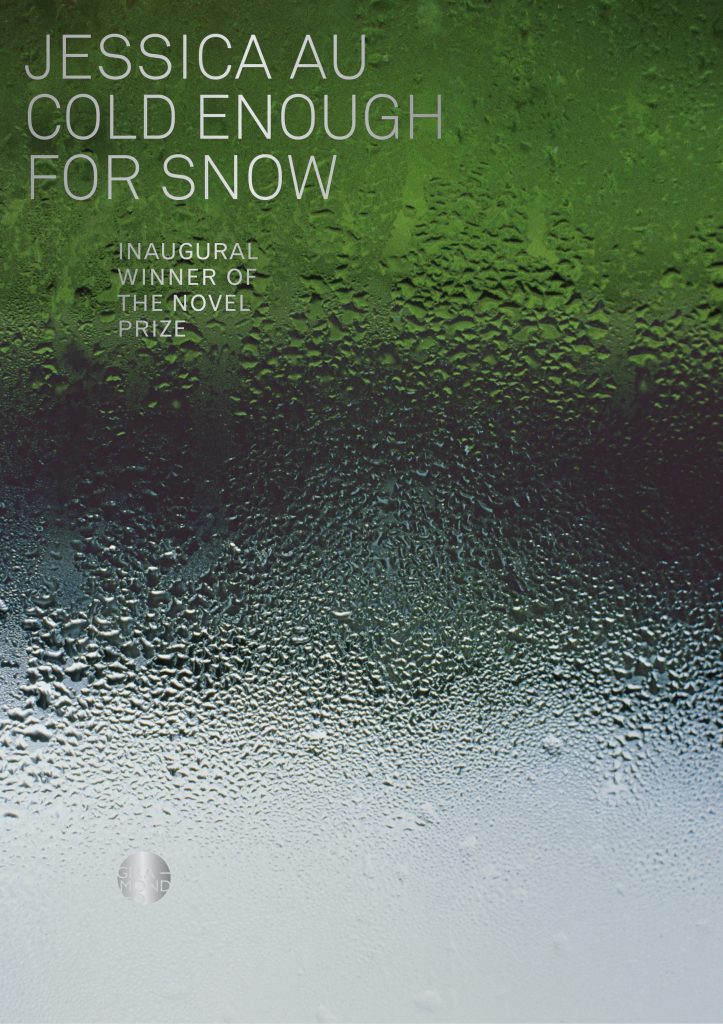
Jessica Au, Cold enough for snow (Giramondo): “The novel’s elliptical tone plays constantly with time and memory. How much we can know another person, even those as intimately connected as mother and daughter, haunts the book, as does how much we can know our (past, present, future) self…New Australian fiction, especially from the second- and third-generation diasporic communities of Western Sydney, is quietly but determinedly shattering the white male ceiling of Australian literature, as Maxine Beneba Clarke notes elsewhere, creating a provincial literature that is both local and global in scale. ” (Professor Anna Johnston)
Shankari Chandran, Chai time at Cinnamon Gardens (Ultimo Press): “What does it mean to be Australian in the 21st century? Shankari Chandran’s Miles Franklin shortlisted novel Chai Time At Cinnamon Gardens ponders this question with grace, humility, and confronting depictions of racism raging with Shakespearean levels of drama and tragedy…Chai Time at Cinnamon Gardens is an important and enthralling read. While it lacks subtlety on some occasions, the message it evokes is damningly clear.” (Olivia de Silva)
Claire G Coleman, Enclave (Hachette): “Few works of speculative fiction have been considered for Australia’s most prestigious literary award, a symptom of the genre’s uneasy relationship to literary fiction and culture…In addition to its literary merits, Enclave is concerned with decolonising Australia’s stories about itself and its future. In the process, the unexamined racism still driving speculative fiction’s narratives of empire, progress, or pastoral idyll are also decolonised.” (Dr Natalie Collie)
George Haddad, Losing face (UQP): “Ivan and Joey’s romance is what makes this an understated, lovely book with an episode of Special Victims Unit wedged inside. It’s the unusual parts of Losing Face that make it a remarkable Australian novel, not the parts ripped from the headlines.” (Pierce Wilcox)
Pirooz Jafari, Forty nights (Ultimo Press): “Forty Nights is a debut work of literary fiction by Pirooz Jafari, who has fictionalised his own life story in this novel…Insightful, tender and whimsical, Forty Nights is a standout novel on this year’s longlist.” (Martine Kropkowski)
Julie Janson, Madukka: The river serpent (UWAP): “While at times I struggled to understand how Janson’s first foray into crime writing had qualified for the longlist of the Miles Franklin, Madukka’s handling of issues of racism, climate change, drug use, and the ongoing First Nations’ struggle for land back and recognition ultimately makes it worthwhile. I’ll end with my initial thought; I actually think I’d really enjoy seeing this story adapted for the screen.” (Rani Tesiram)
Yumna Kassab, The lovers (Ultimo Press): “I expected a modern fable underscored by Arabic folklore with more traditional, less didactic conventions. What I found instead was something far more poignant, raw and real…Irrespective of whether The Lovers is the recipient of the 2023 Miles Franklin, its nomination speaks to the state and tenor of contemporary Australian literature embracing the novel as an experimental form.” (Bianca Millroy)
Fiona Kelly McGregor, Iris (Pan Macmillan Australia): “The blurb of this book asks a simple question: is Iris Webber innocent or guilty? At the end of some 430 pages, however, such a dichotomy feels terribly pale. It is the larger questions of history, reclamation, oppression, and humanity that mark McGregor’s work and transform the form of the historical novel into something alive and urgent, innovative and instructive. At its heart, Iris is (as Peter Doyle notes) a remarkable work of conjuring. With charm and grit, Iris conjures up Sydney of the 1930s, in all its grim glory. And Fiona Kelly McGregor, in a feat of sensitivity and skill, has conjured Iris Webber.” (Madeleine Dale)
Adam Ouston, Waypoints (Puncher & Wattmann): “an anxiety dream of a novel… In a breathless spiralling narrative told (more or less) in a single feverish paragraph, Cripp [the protagonist] pinballs from one association to another, circling back to grasp at his bearings before bouncing off again into further tangents, digressions, curlicues and cul-de-sacs. In lengthy, slippery sentences, he details the history of Houdini’s failed record-breaking attempt, he dips into Victorian showmanship, the swirl of misinformation around the disappearance of MH370, the history of powered flight, Alzheimer’s disease and Australia itself…It’s a strange, ambitious, reckless thing. But it flies; it really flies…” (Vince Haig)
It is damning – but true to our time – that so many these novels address racism. But there are other subjects here too, plus a variety of forms, and, it seems, some bold new writing. I enjoyed these reviews, particularly because, as you’d expect, they critiqued the books as literary works, as content, and against the forms or styles they represent.
Shankari Chandran won the official jury’s prize with Chai time at Cinnamon Gardens – as most of you know.
The winner of the 2023 Miles Franklin award was announced this evening, and it’s not one I’ve read, even though this year I’ve actually read two of the six shortlisted books! A record for me in recent times. The winner is:
Shankari Chandran, Chai time at Cinnamon Gardens
It’s a book I’ve been toying with reading since it first came out, and it is on my reading group’s short list of schedule suggestions, so maybe its time will come.
ArtsHub, in announcing the award, quotes Chandran’s response to winning:
I’m excited by the prospect of a wider readership for for this novel. Chai Time at Cinnamon Gardens can take the reader to a difficult and uncomfortable place; there’s trauma and bigotry – but I have tried to explore that within a safe space of humour and love and respect
The book has a cutesy title and a pretty cover which I admit initially made me think it was one of those cosy murder stories. It is set in a nursing home in Western Sydney where, you know, you can imagine Miss Marple investigating a murder. But, after seeing Brona’s review (see below), I realised that this is not what this book is at all. It is, says ArtsHub, “a multigenerational and historical journey of revelation and reckoning across time and place”. Chandran, who calls Australia her “chosen home, and Sri Lanka her ancestral home” says her novel is set “against the backdrop of rising racism in contemporary Australia”. It also flashes back “to big movements in Sri Lanka’s history” and “dives into the contested formation and histories of both countries”.
The 2023 judges wereRichard Neville, Mitchell Librarian of the State Library of NSW and Chair; author and literary critic, Dr Bernadette Brennan; literary scholar and translator, Dr Mridula Nath Chakraborty; book critic, Dr James Ley; and author and editor, Dr Elfie Shiosaki.
Okay, so last week I said that post would be the end of the current little run of awards posts – but then I saw the announcement of this year’s Best Young Australian Novelists award, and decided we could cope with just one more. I really will try to offer something new (or, do I mean old – time will tell) next week.
This award, as I have explained before, was established in 1997 by The Sydney Morning Herald‘s then literary editor, Susan Wyndham. This year is, thus, its 27th. It’s an emerging writers’ award, open to “writers aged 35 and younger” at the time their book (novel or short story collection) is published. They don’t have to be debuts, though they often are. Last year’s winner was Diana Reid’s Love and virtue, with Ella Baxter’s New animal and Michael Burrows’ Where the line breaks being runners-up.
This year we seem to have three equal winners, with each receiving $5,000:
Katerina Gibson’s Women I know (debut short story collection)
George Haddad’s Losing face (second novel, just longlisted for this year’s Miles Franklin award)
Jay Carmichael’s Marlo (second novel) (Lisa’s review)
The judging panel comprised the Sydney Morning Herald’sSpectrum editor, Melanie Kembrey (who also judged last year’s award), plus writers Bram Presser (whose The book of dirt won several prizes including the Christina Stead Prize for Fiction) and Fiona Kelly McGregor (whose Iris was longlisted for this year’s Miles Franklin award). The prize money comes from the Copyright Agency Cultural Fund.
The Herald‘s Melanie Kembrey, writing in the emailed newsletter I receive, said of the winners:
If these books haven’t already found a place on your reading list, they should. Gibson’s short story collection − clever, hilarious and inventive − will have you returning for rereads. Carmichael’s Marlo, the story of a love affair between two men in conservative 1950s Melbourne, will heal and break your heart in equal measure. It’s a slight novel that packs a big punch. Haddad’s Losing Face is alive with the sights and sounds of western Sydney, and deftly tackles the subjects of masculinity, misogyny and sexual violence
Women I know is a debut collection of short stories from an author whose work has appeared in such well-established literary journals as Granta, Kill your darlings, and Overland. She was also the Pacific regional winner of the 2021 Commonwealth Short Story Prize.
The SMH reported that the judges described this collection as showing “astonishing skill with the form – moving easily from actual to fantastical worlds, from sharp, straightforward prose to concrete poetry.”
Gibson herself is reported as saying that she loves the short story form, that “there’s something you can do with a short story that isn’t possible in longer writing. You can take more stylistic risks or try bolder concepts”.
George Haddad
Haddad’s first novel was, in fact, the novella, Populate and perish, which won the 2016 Viva La Novella competition. According to Star Observer, his second novel, Losing face, grew out of his doctoral studies at Western Sydney University “where he was researching the representation of masculinity in contemporary Australian literature, looking to authors like Christos Tsiolkas and Peter Polites for inspiration”.
The SMH reported Haddad as saying that “It was really important for me to contribute to the conversation and to snapshot characters and situations that reflected contemporary Australian society as accurately as I knew it. The novel was always in me, but it was particularly sparked by my doctoral research on the intersection of masculinities, shame and suburbia.”
Jay Carmichael
Carmichael’s second novel, Marlo, follows his first novel Ironbark. It was about a young gay man coming of age in a small country town, and was, says The Guardian, “so deftly written it made Christos Tsiolkas jealous”. Lisa, in her review of Marlo linked above, writes that it “reveals the hostile environment of 1950s Melbourne for a young man discovering his sexuality when the laws of the land denied him the right to be. It’s a very powerful, moving novella, tracing the coming-of-age of Christopher, a young gay man escaping the constrictions of the small Gippsland town of Marlo”.
According to the SMH, Marlo is “a perfectly crafted story” and quotes the judges as saying that it “makes history immediate, every page pulsing with heart and sensuality”.