Having posted on a literary prize last week – the ACT Book of the Year Award – I decided that I may as well do another one, and give us a break from my recent run of historically-focused Monday Musings posts. This week’s award is another geographically limited one, the Melbourne Prize for Literature.
This award is comparatively new, having been first offered in 2006, and it is, unusually, a triennial award. This is because it is one part of the Melbourne Prize which is awarded, as Wikipedia puts it, “on a rolling three-year basis for Urban Sculpture, Literature and Music, in that order”. It is managed by the Melbourne Prize Trust, which was founded by someone called Simon Warrender in 2005. I did not know who Simon Warrender was, and Wikipedia did not provide a link on his name. However, he is, in fact, in Wikipedia (so there is now a link to him on the Prize’s page!) The English-born Simon Warrender was “a Royal Navy officer and businessman” who migrated to Australia after the war and married into the well-to-do and philanthropic Myer Family.
The Prizes are funded by a range of donors from government, cultural and philanthropic organisations – like the City of Melbourne, The Robert Salzer Foundation, Hardie Grant Books and Readings Bookshop – to the general public.
As Wikipedia’s description of the prize’s order implies, the first prize was for Urban Sculpture. That was in 2005, so the first Melbourne Prize for Literature was awarded in 2006. The Literature Prize is made to “a Victorian published author whose body of published work has made an outstanding contribution to Australian literature and to cultural and intellectual life”. In other words, it is one of those “body of work”/contribution to literature types of award. It can, says the Prize website, “include all genres, for example, fiction, non-fiction, essays, plays, screenplays and poetry”, and they take this seriously as you will see from the winners below. It is a valuable prize, currently netting the winner AUD60,000.
The winners to date are:
- 2006 Helen Garner: novelist, short-story writer, screen-writer, non-fiction writer, essayist
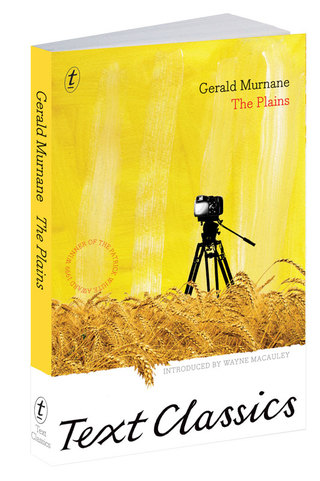
- 2009 Gerald Murnane: novelist, memoirist, short story writer, poet
- 2012 Alex Miller: novelist, short story writer, essayist, playwright
- 2015 Chris Wallace-Crabbe: poet
- 2018 Alison Lester: author and illustrator of, mostly, children’s book
- 2021 Christos Tsiolkas: novelist, playwright, screenwriter
Links are to my posts on the writer. As you can see I have written about all of them, at least once, except for the poet (though he has had several mentions in passing! I guess that’s better than nothing.)
But wait, there’s more, because other awards are made alongside the main Prize for Literature. One is the Best Writing Award which is for (or was initially) “a piece of published or produced work in any genre by a Victorian writer 40 years and under, which is an outstanding example of clarity, originality and creativity”. By 2018, they seem to have dropped the age criterion. The winners to date are:
- 2006 Christos Tsiolkas for Dead Europe
- 2009 Nam Le for The boat (which I read just before I started blogging)
- 2012 Craig Sherborne for The amateur science of love (Lisa’s review)
- 2015 Andrea Goldsmith for The memory trap (Lisa’s review)
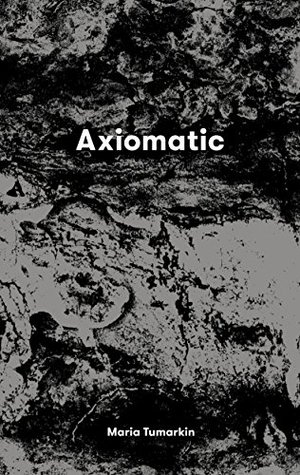
- 2018 Maria Tumarkin for Axiomatic (my review)
In 2021, this prize was not offered, but they presented The Writers Prize. It went to Eloise Victoria Grills. According to the website the prize was for “an essay (10,000 words maximum) of outstanding originality, literary merit and creative freshness”. (I should add that this Prize had also been presented in 2015, in addition to The Best Writing Award, and was won by Kate Ryan.) What will happen in 2024?
The other main prize in the suite is the Civic Choice Award. It is voted for by the public from the finalists for the main award/s. Most recently this has been done via an online form available on the Prize website. The winners to date are:
- 2006 Henry von Doussa for The park bench
- 2009 Amra Pajalic for The good daughter
- 2012 Tony Birch for Blood (Lisa’s review)
- 2015 Robyn Annear for her essay “Places without mercy”
- 2018 Louise Milligan for Cardinal
- 2021 Maxine Beneba Clarke
Over the years there have been other awards, or combinations, or slight changes, like a Residency Award. But, you can see it all at the Prize website which I linked to above.
The Melbourne Prize for Literature – indeed the Melbourne Prize as a whole – is an impressive suite of awards that supports the arts by offering decent prize money and recognises the state’s serious practitioners of their art.
 Whispering Gums